
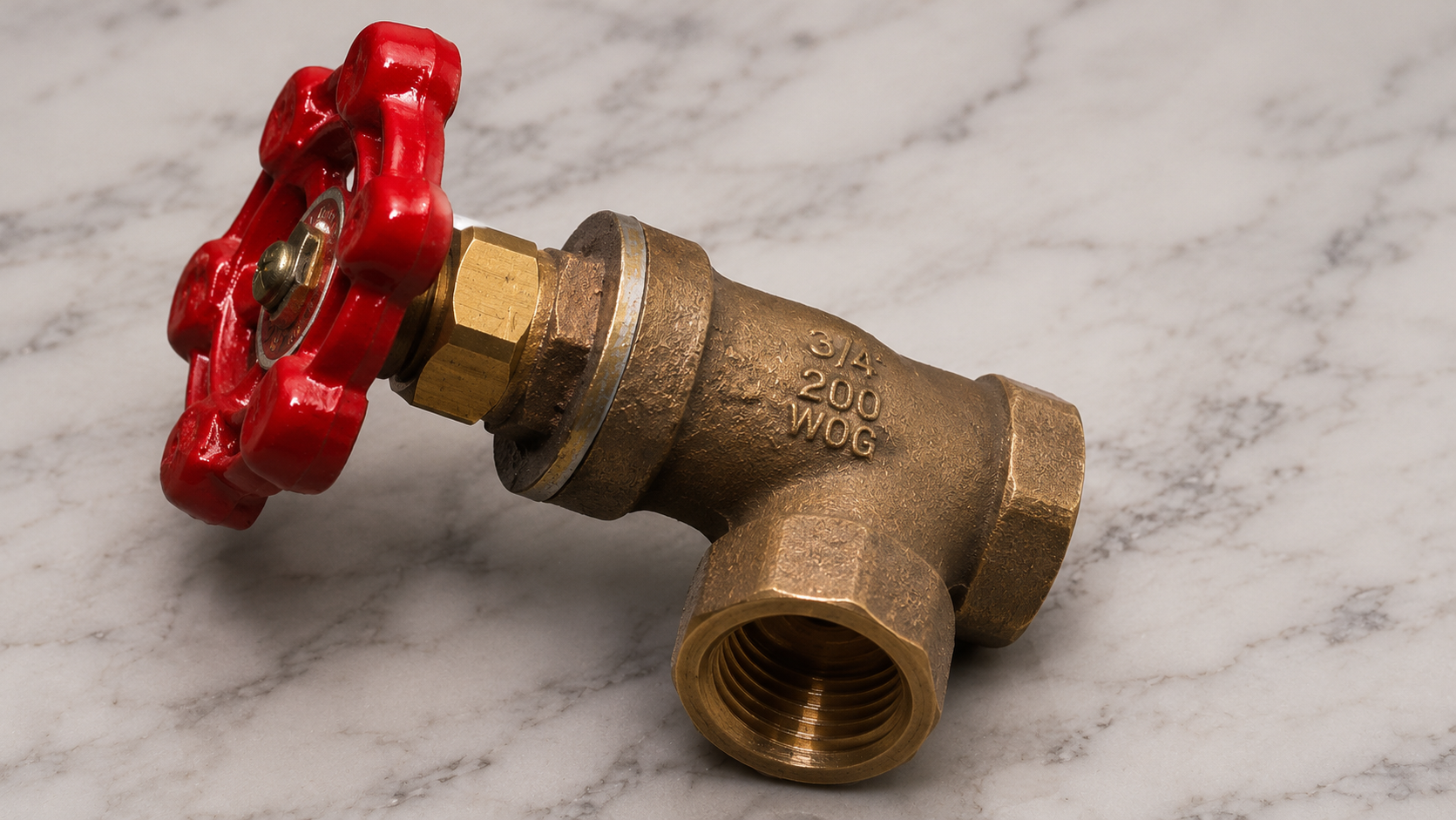
The main water shutoff valve is where the supply line enters the house, and in Columbia that means a different spot depending on how the house was built. A 1920s Shandon bungalow or a 1950s Forest Acres ranch usually keeps it in the crawl space along the foundation wall nearest the street, or on the pipe where it climbs into a utility area above. A slab home in a Lexington or Northeast Columbia subdivision puts it in the garage, the laundry room, or a closet beside the water heater, or outside in a ground box by a hose bib. In a lake house on a well, there is no street meter at all, and the valve sits near the pressure tank with the pump breaker as the backup. Finding yours, testing it once a year, and labeling it is a 15-minute job that decides how much damage the next burst pipe does.
A faucet drip is a slow loss. A supply line that lets go dumps several gallons every minute, and every minute spent hunting for the valve is a minute of water working into the subfloor.
Crawl Space Homes
Most older Columbia homes sit over a crawl space, and the water line enters under the house from the street side. Look just inside the crawl space access for a valve on the pipe where it turns up into the house, or follow the line to the point it rises through the floor into a kitchen cabinet, a utility closet, or the wall behind the water heater. Bring a flashlight, since the valve may be behind the ductwork. If the crawl space is hard to reach, a plumber can relocate the valve to an accessible spot inside, which is a small job that pays off the first time you need it in a hurry.
Slab Homes
Newer subdivisions across Lexington County, Irmo, Chapin, and Northeast Columbia were often built on slabs, with the supply line coming up through the slab in the garage, the laundry room, or a closet shared with the water heater. The valve is usually within a few feet of where the pipe emerges, sometimes behind a removable access panel. Some slab homes put the main valve outside in a box near the foundation beside a hose bib, so check there if nothing turns up inside.
Lake Homes and Rural Properties on Wells
Homes around Lake Murray and in rural Kershaw, Newberry, and Fairfield counties often draw from a well. There is no utility meter to fall back on. The shutoff is near the pressure tank, usually in a crawl space, a basement, or a utility room, and the second way to stop the water is the breaker for the well pump. Know both, because a valve that will not close still leaves you the breaker.
Gate Valve or Ball Valve
A gate valve has a round wheel handle that turns several times to close. Older homes are full of them, and they are the ones that let people down, because the gate inside corrodes, the stem breaks off, or the valve shuts most of the way and keeps a trickle moving. A ball valve has a quarter-turn lever, parallel to the pipe for open and perpendicular for closed, and it keeps sealing for decades. Swapping a stiff old gate valve for a ball valve costs little and is the surest way to know the valve will work the night a pipe lets go.
Test It Once a Year
Shut the valve all the way, run a faucet to confirm nothing comes out, then open it back up. Go easy on a gate valve, because a corroded stem snaps when it is forced. A valve that stops short of closed, leaks at the stem, or needs two hands to turn should be replaced before the first freeze. The Christmas 2022 cold snap that held the Midlands in the teens for two days burst pipes across the region, and the homes that came through with the least damage were the ones where someone knew where the valve was and the valve worked. Tag it with a bright label so a house sitter or a teenager can find it.
The Valve at the Meter
On municipal water there is a second valve at the meter box by the curb, under a metal or plastic lid. Whether you may operate it with a meter key or must call the utility depends on the provider, and that is a rule to learn now. It is the fallback when the indoor valve fails mid-leak, and the yard with water running inside is a poor place to read the policy for the first time.
When a Pipe Bursts
- Close the main valve first, before anything else.
- Open the lowest faucet in the house to drain the lines.
- Turn off the breaker for an electric water heater, or set a gas water heater to vacation or pilot, so the tank does not run dry.
- Kill the breaker for any area where water has reached outlets before stepping into it.
- Pull furniture and belongings off the wet floor and start soaking up the water with towels or a wet vacuum.
- Call for burst pipe repair, and photograph the damage for your insurance claim while you wait.
The Small Valves Matter Too
Each toilet, sink, and appliance has a small stop valve of its own, so a split toilet supply or a weeping dishwasher hose can be isolated at the fixture while the rest of the house keeps its water. Those small quarter-turn stops seize just like the main, so turn them occasionally. Replacing a stuck stop is a quick job during any plumbing visit.
Getting Prepared Before the Leak
2nd Wind has served Columbia and the surrounding Midlands since 1985, and our plumbing team can go through your home with you, find and tag the main valve, replace a gate valve that no longer holds, and move a valve out of the crawl space to somewhere you can reach. Schedule a plumbing visit online or reach our team through 24/7 website chat, and same-day service for residential customers is arranged by phone when the water is already running.
Frequently Asked Questions
Should I shut off the main water valve when I leave town?
Yes, for any trip longer than a few days. A supply line or water heater failure while the house is empty runs until someone finds it, and shutting the main removes that risk entirely. Turn off the water heater breaker or set a gas heater to vacation mode at the same time so the tank is not heating an empty system.
Why does water still trickle after I close the main valve?
A gate valve that has corroded inside often closes most of the way and keeps passing a trickle, which is a sign it needs replacing. A ball valve that trickles has a damaged seat. Either way, the valve is not doing its one job, and the meter valve at the street is the backup until it is replaced.
What is a smart water shutoff valve?
A motorized valve on the main line that watches flow around the clock and closes on its own when the pattern looks wrong, such as water moving steadily at three in the morning. Most connect to a phone app and can be closed remotely. For a household that travels, it is the step beyond knowing where the valve is.
Can the main valve be moved to a more convenient spot?
Yes. A plumber can add a new ball valve on the supply line at an accessible point inside the house, such as a utility closet, and leave the original in place. The job takes an hour or two, and it turns a flashlight-and-crawl-space search into a reach behind a door.
Who is responsible for the water line between the meter and the house?
The homeowner, in nearly every Midlands utility’s service area. The utility owns the meter and the main in the street, while the service line running from the meter to the house is the homeowner’s. Some insurers offer service line coverage as an add-on for exactly that stretch of pipe.