
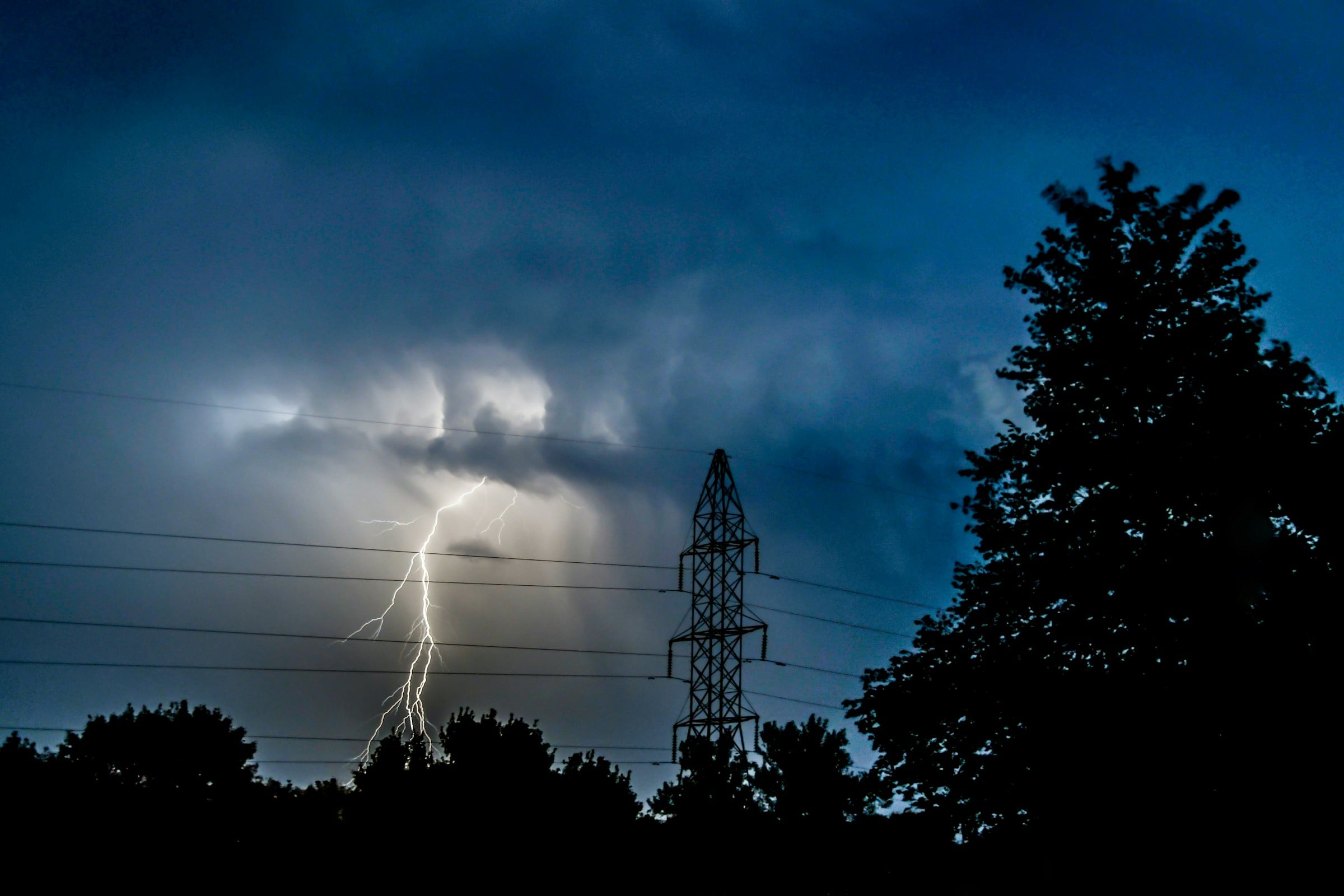
The moment the power comes back after a storm feels like the end of the problem, but sometimes it is when the damage shows up. Power that flickers on and off while the utility restores lines, or that comes back at low voltage for a few minutes, is hard on motors and control boards, and a day or two without power leaves a few systems in a state they were not designed to sit in. This checklist walks through what to look at once the lights are on, and how to tell what will sort itself out from what needs a technician.
Safety first, then the panel
Before you check anything else, stop and notice what you smell and hear. A gas smell anywhere in or around the house means you leave, keep the door open behind you, and call the gas utility from outside. A burning or hot plastic smell near the electrical panel, an outlet, or a piece of equipment means you turn that breaker off and leave it off. Standing water near any appliance or the panel is a reason to stay clear until the water is gone.
If none of that is present, open the breaker panel and look for anything tripped. Surges during restoration trip breakers, and resetting one is fine. A breaker that trips again as soon as you reset it is doing its job by protecting a circuit with a fault on it, and that circuit should stay off until a licensed electrician has looked at it.
Heating and cooling equipment
Give the system a few minutes. Most air conditioners and heat pumps have a built-in delay of five to ten minutes after power returns so the compressor does not restart under pressure. If the thermostat display is still blank after that, check its batteries and the breaker for the air handler. Then set the thermostat a few degrees past room temperature and listen to the outdoor unit. A steady hum with the fan turning is what you want. A hum with no fan, a loud click that repeats, or a unit that starts and stops within a minute points to a capacitor, contactor, or control board that took a hit during the fluctuations, and these are the most common storm-related failures we see. Surge damage does not always show immediately, either. If the system runs but the house does not cool down over the next hour, or the air at the vents is not cold, schedule air conditioning repair before the next heat wave finds the problem for you. After an ice storm, walk outside and confirm the outdoor unit is not encased in ice or buried under fallen limbs.
Water heater, sump pump, and drains
An electric water heater usually comes back on its own, but some units have a high-limit reset behind the upper access panel that trips after a power event. If you have no hot water an hour after the power returns, have that reset checked rather than opening the panel yourself near live wiring. A gas water heater with electronic ignition relights automatically, while one with a standing pilot may need relighting per the label on the tank. Allow an hour or so for the tank to recover, and look at the floor around its base. Pressure changes during an outage can turn a small drip into a visible one, and a wet spot at the base of an older tank is a sign that water heater replacement is coming whether the storm caused it or not.
If your home sits over a crawl space, the sump pump is the next stop. It sat idle while the storm dumped rain, so the pit may be full or the crawl space may already hold standing water. Confirm the pump runs by lifting the float or pouring water into the pit. A pump that hums without pumping, or one that has not turned on with water around it, needs sump pump service before the next rain. Finally, run water in the lowest drains in the house. Heavy rain can surcharge sewer lines, and a tub or floor drain that backs up after a storm is telling you about a blockage or a damaged line.
The generator
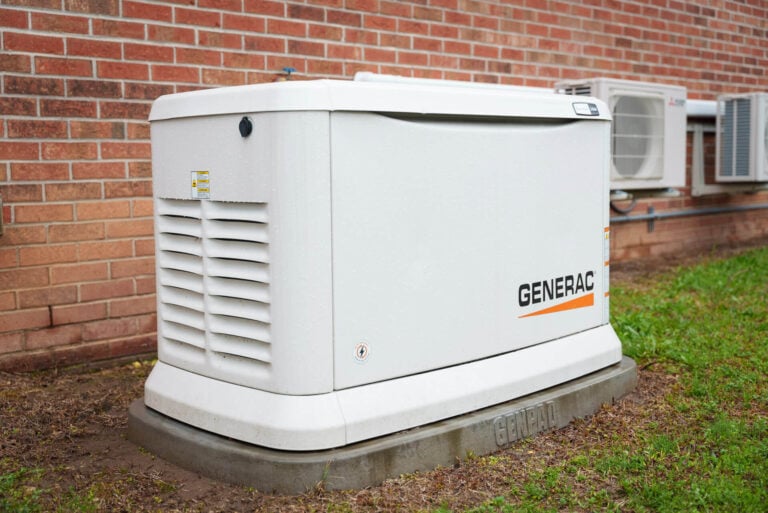
A standby generator handles the transition back to utility power on its own, running a short cooldown and returning to standby. But what it cannot do is service itself. Note how many hours it ran, since a multi-day outage can use up a good share of the interval between oil changes, and look at the controller for any warning or fault code it logged along the way. If it ran for more than a day or two, or if it showed any fault, schedule generator service rather than waiting for the annual visit. A portable generator should be shut down, allowed to cool completely, and then refueled and stored with the fuel treated or drained, because stale gasoline in the carburetor is why most portables fail to start next time.
Refrigerator and freezer
The food question has a simple rule. A refrigerator keeps food safe for about four hours without power if the door stayed closed, and a full freezer holds for about 48 hours. Anything in the refrigerator that spent longer than four hours above 40 degrees goes out; frozen food that still has ice crystals can be refrozen.
When to call
Most of what you find will be fine, but the rest sorts into a few categories: a system that will not restart, a breaker that keeps tripping, a burning smell, water where it should not be, or a generator fault code. Each of those is an urgent call, not a wait-and-see. 2nd Wind Heating & Air Conditioning offers same-day emergency service for heating, cooling, plumbing, and generator problems. Schedule online, call, or use the 24/7 chat on our website, and the technician will show you on video what the storm did before recommending the repair.