
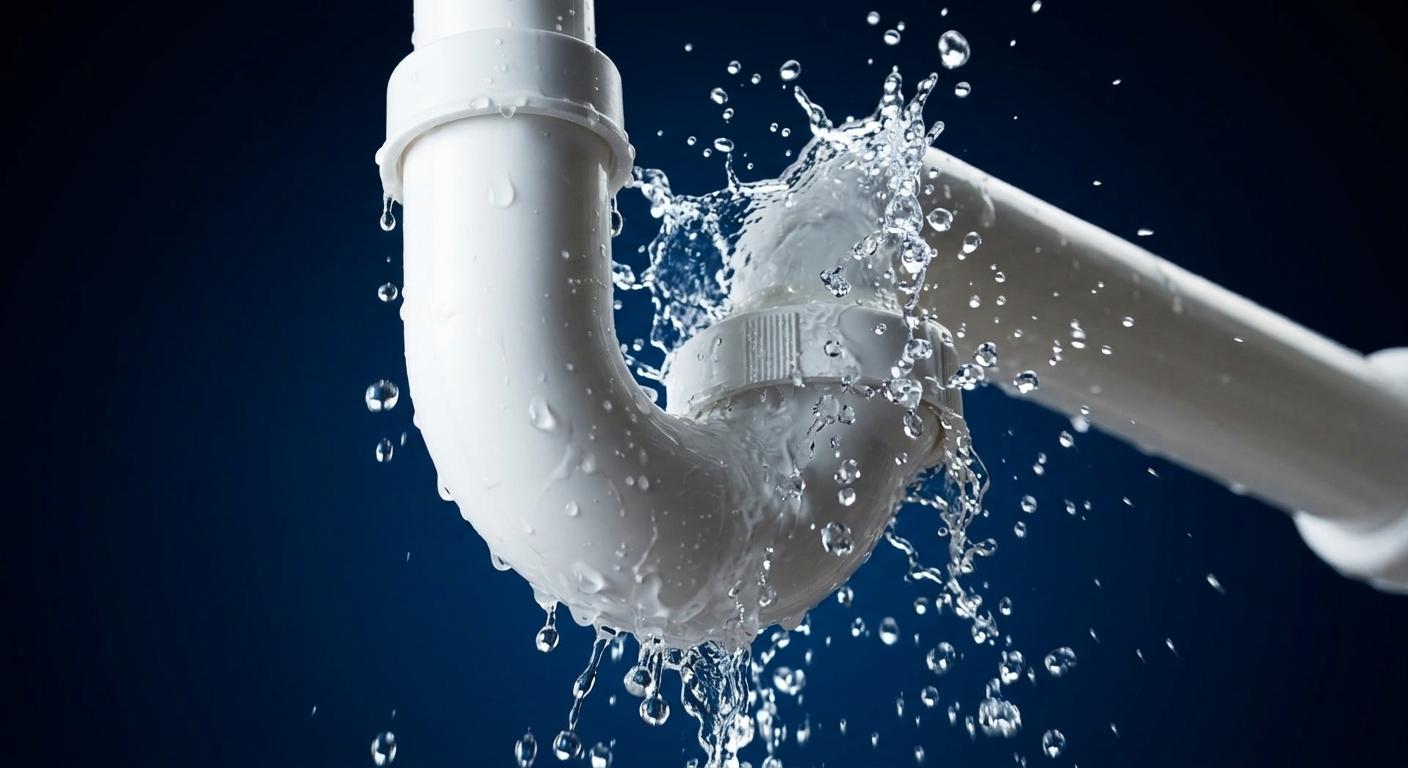
When a plumbing repair gets postponed, the money isn’t really saved. It is spent later, in a different form and in a larger amount, and most of it goes to more than the plumber. This post adds up the costs that a delayed repair accumulates, so you can compare the price of fixing something this month against what it will cost once it forces the issue.
The water you pay for and never use
The first cost arrives on the utility bill, and it starts the day the problem does. A toilet with a worn flapper can waste up to 200 gallons a day, and a faucet dripping once a second wastes about 3,000 gallons a year, according to the Environmental Protection Agency. A hidden supply leak wastes more, around the clock, and the water bill is often the first sign it exists. None of it does anything useful, and the bill for it arrives every month the repair waits.
The materials the water touched
The largest cost of waiting is rarely the pipe. It is the building around the pipe. Water that leaks into a wall cavity soaks the drywall, the insulation, and the framing behind them. Water under a floor swells the subfloor and lifts the finished flooring. Water from a leaking supply line in the crawl space, which is where many Columbia homes have their plumbing, saturates the soil and the joists above it. A plumbing repair replaces a fitting or a section of pipe. A repair that waited replaces the fitting and then rebuilds the wall, the floor, or the framing the water ruined. The second bill is routinely several times the first, and it goes to a contractor, not a plumber.
Mold, and the health cost that comes with it
In Columbia’s humidity, a wet wall cavity or a damp crawl space grows mold within days, and the mold does not stop when the leak is fixed. It has to be removed, and remediation is a separate trade with its own invoice. A damp crawl space also feeds moisture into the whole house through the ductwork that runs through it, which is why a leak under the house so often shows up as a musty smell in the bedrooms. For households with asthma, allergies, or young children, living with that for months is a cost of its own.
The structure and the pests
Left long enough, water damage becomes structural. Framing that stays wet softens and loses strength, and floors that have been wet for a season develop the soft spots that homeowners notice underfoot. In this region, moisture also attracts subterranean termites, which are drawn to damp wood and can turn a plumbing leak into a pest treatment and a framing repair. A leak in the crawl space that would have been a one-hour fix in March can, by the following spring, involve a plumber, a pest company, and a carpenter.
The emergency premium
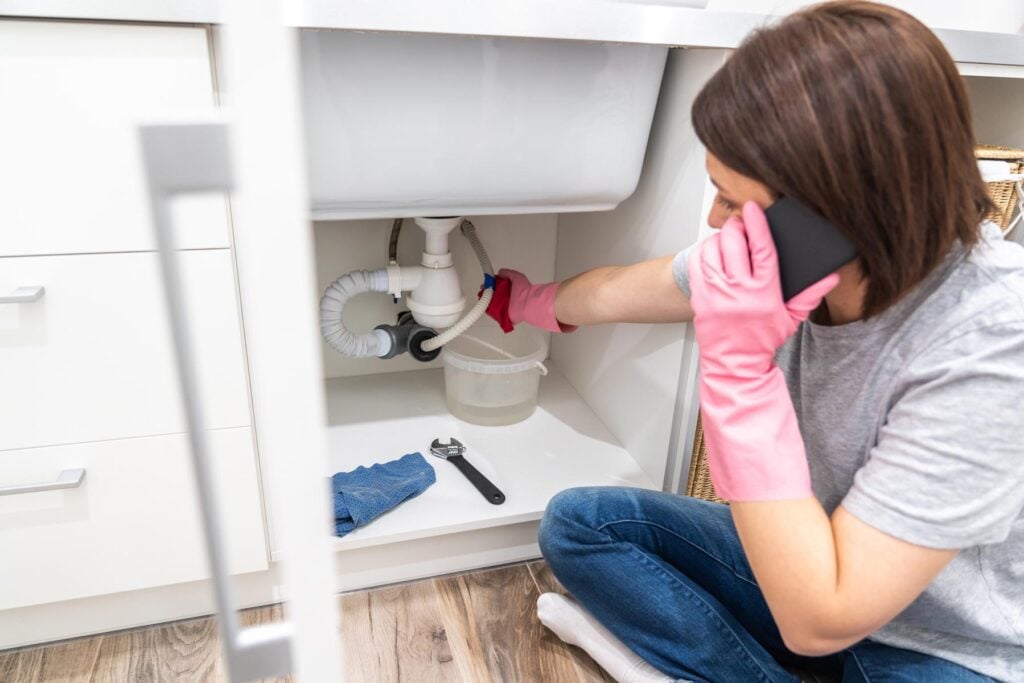
A repair that waits until it fails picks its own timing, and the timing is usually bad. A pipe bursts during a January freeze at night. A water heater lets go the morning of a holiday. A drain backs up when the house is full of guests. Emergency and after-hours service costs more than a scheduled visit. The emergency also removes your ability to compare options, wait for a better price on a fixture, or schedule around your own week.
The coverage you may not have
Homeowners often assume insurance will cover water damage, and for sudden events such as a burst pipe, most standard policies do. What most policies exclude is damage from a leak that developed gradually over weeks or months, which is exactly what a postponed repair becomes. A claim for a wall ruined by a slow drip under a sink is often denied on the grounds that the damage resulted from deferred maintenance, and mold coverage is frequently limited or excluded altogether. In practice, the longer a repair waits, the more of the resulting damage shifts from the insurer to the homeowner.
The signs that should never wait
Some symptoms carry all of the costs above and deserve a call the week you notice them. Water where it should not be, including a stain that is growing on a ceiling or wall. A water bill that jumped with no change in the household. A musty smell that cleaning does not remove. A drain that backs up rather than simply running slow. A water heater older than ten years that is rumbling or has moisture at its base. Water pressure that dropped suddenly. Any of these means the clock described in this post has already started. Professional leak detection finds a hidden leak before the wall comes down, and drain cleaning clears a line before it backs up.
What a planned repair looks like by comparison
A repair made when the problem is first noticed is a scheduled visit at a standard rate, on a day you chose. The technician shows you the problem on video, quotes the repair before starting, and fixes the pipe or the fixture. There is no contractor, no remediation company, no insurance adjuster, and no rebuilt wall. That is the version of the bill you get to have by acting early, and it is the smaller one by a wide margin.
Get ahead of your plumbing issues now
2nd Wind Heating & Air Conditioning has served greater Columbia since 1985. If you have been living with a plumbing problem you meant to get to, schedule a visit online or through the 24/7 chat on our website, and same-day emergency service is available for residential customers when the problem has already become one. Either way, the repair will almost certainly cost less today than it will next month.