
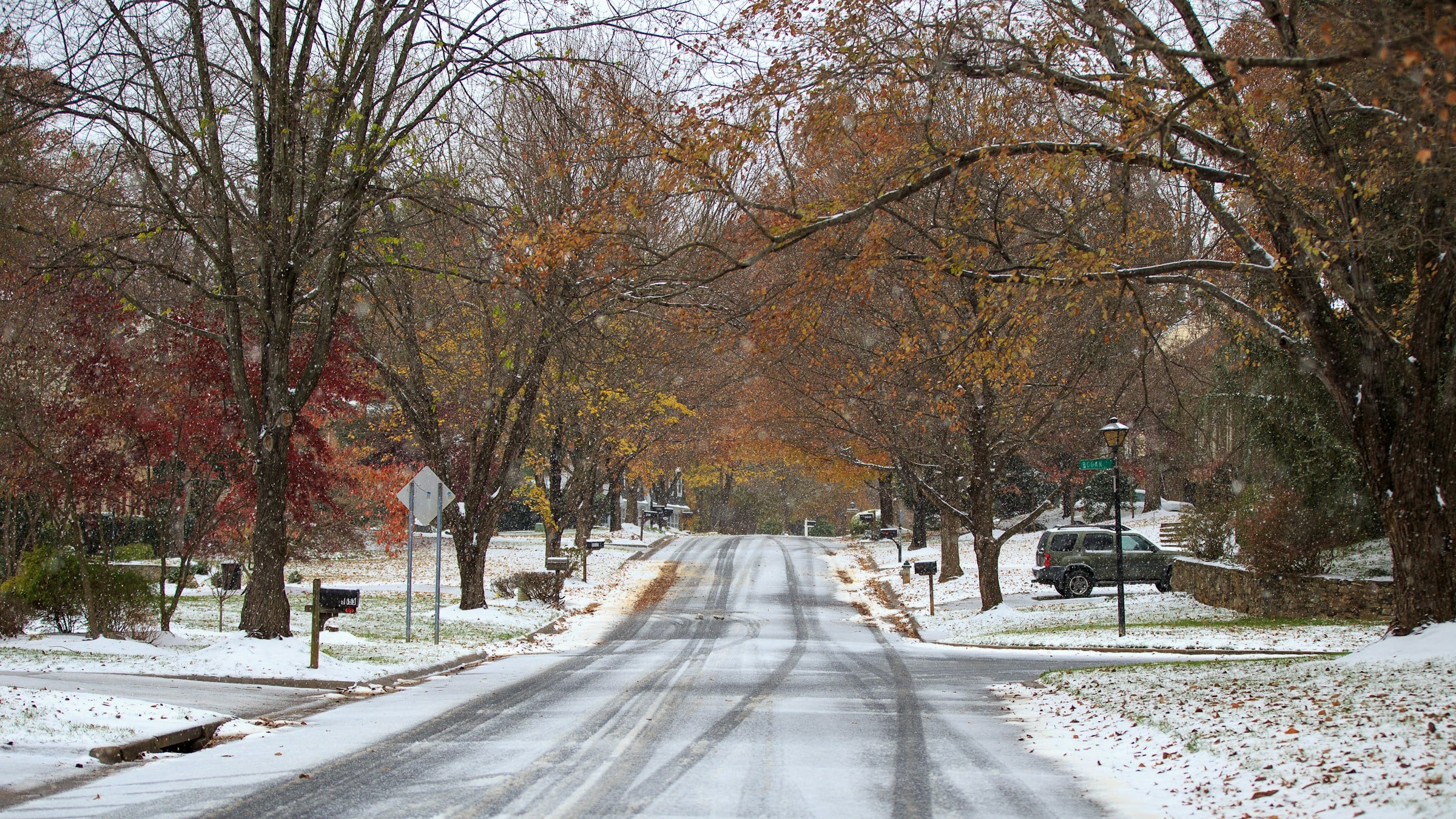
A Columbia winter is mild enough that the greater part of the season asks nothing of a house at all. But then a week arrives, usually in January or February, when the temperature drops into the 20s for several nights running, and everything the mild weeks let slide shows up at once. The February 2014 ice storm is the version most Midlands homeowners remember, but a plain cold snap does the same on a smaller scale every year or two. The five steps below are aimed at what that week exposes, in the order the problems usually appear.
1. Make sure the heat strips are ready before they are needed
Most homes here heat with a heat pump, and a heat pump has a part that almost never runs: the electric auxiliary heat strips that take over when the outdoor air drops below the mid 30s. In a Columbia winter those strips may run a few dozen hours a year, all of them during the cold snap, and a strip that failed last winter sits unnoticed until the night it is needed. The fall tune-up tests the strips under load, along with the defrost control that keeps the outdoor coil from icing over and the refrigerant charge that determines how much heat the pump can pull from cold air. If the fall visit did not happen, a heat pump check in December is the single step that most improves the odds of a warm house on a below-freezing night.
2. Protect the pipes that were never insulated
The second thing a cold snap exposes is plumbing that was installed for a climate where it rarely freezes. Pipes in crawl spaces, garages, and exterior walls across the Midlands are often bare because they never needed to be otherwise, and a hard freeze splits them on the one night a year it can. Wrapping exposed pipe in foam insulation, covering the outdoor spigots, closing the foundation vents, and knowing where the main shutoff is take an afternoon in the fall. Our post on preventing frozen pipes covers the full routine, including what to do on the cold night itself.
3. Find the drafts before the wind does
The third exposure is air leakage, which does not matter at 50 degrees and matters enormously at 25 with a north wind. On the first cold, windy evening, walk the house with the back of your hand at the window frames, the door sweeps, the attic hatch, the recessed lights, and the places where pipes and wires pass through exterior walls. Each spot where you feel air moving is heated air leaving all night. Weatherstripping, door sweeps, foam gaskets behind the outlet covers on exterior walls, and a tube of caulk for the penetrations cost little and take a weekend. The fireplace damper deserves a mention of its own, because an open flue is the largest single leak in most homes and it is easy to forget after the fire goes out.
4. Test the detectors the cold snap will rely on
The fourth exposure is a safety one. A cold week brings out space heaters, fireplaces, and, if the power fails, portable generators, and each is a carbon monoxide source in a house closed up tight. A gas furnace working harder than it has all year is also the furnace most likely to reveal a cracked heat exchanger. Test the smoke and carbon monoxide detectors before the cold arrives, put in fresh batteries, and replace any unit past the date on its back. A home with gas heat, a fireplace, or an attached garage needs a carbon monoxide detector on every level, and the cold snap is when it earns its place.
5. Decide what happens if the power goes out
The last exposure is the one the 2014 ice storm made plain: the coldest nights often arrive with weather that takes down power lines, and no heat pump or furnace runs without electricity. A house that started the night at 68 falls toward the outdoor temperature by morning. For a home that loses power more than occasionally, a standby generator that starts on its own and carries the heating system through the outage is the difference between an inconvenience and a night somewhere else. For every home, the plan should at least cover where the flashlights and blankets are, which room holds heat best, and a portable generator’s place well away from every window and door, since carbon monoxide from generators takes lives in every winter storm.
Why the order matters
The five steps are listed in the order the failures tend to arrive during a cold week: the heat pump first, because it is asked to do the most; the pipes next, on the second or third freezing night; the drafts throughout; the detectors when the heaters and fireplaces come out; and the power whenever the ice reaches the lines. Working through them before the peak of winter can be far more comfortable and inexpensive than repairs or replacements later. Members of the Cloud 10 Membership have the fall heating visit on the calendar already, with priority scheduling if the cold snap turns up something the visit did not.
Getting ahead of the week
2nd Wind Heating & Air Conditioning has served Columbia since 1985, and every cold snap brings the same calls in the same order. If the fall tune-up has not happened, or you would like the crawl space and the pipes looked at before the first hard freeze, schedule online or through the website chat at any hour. The technician will record what the system’s readings show and review them with you.