
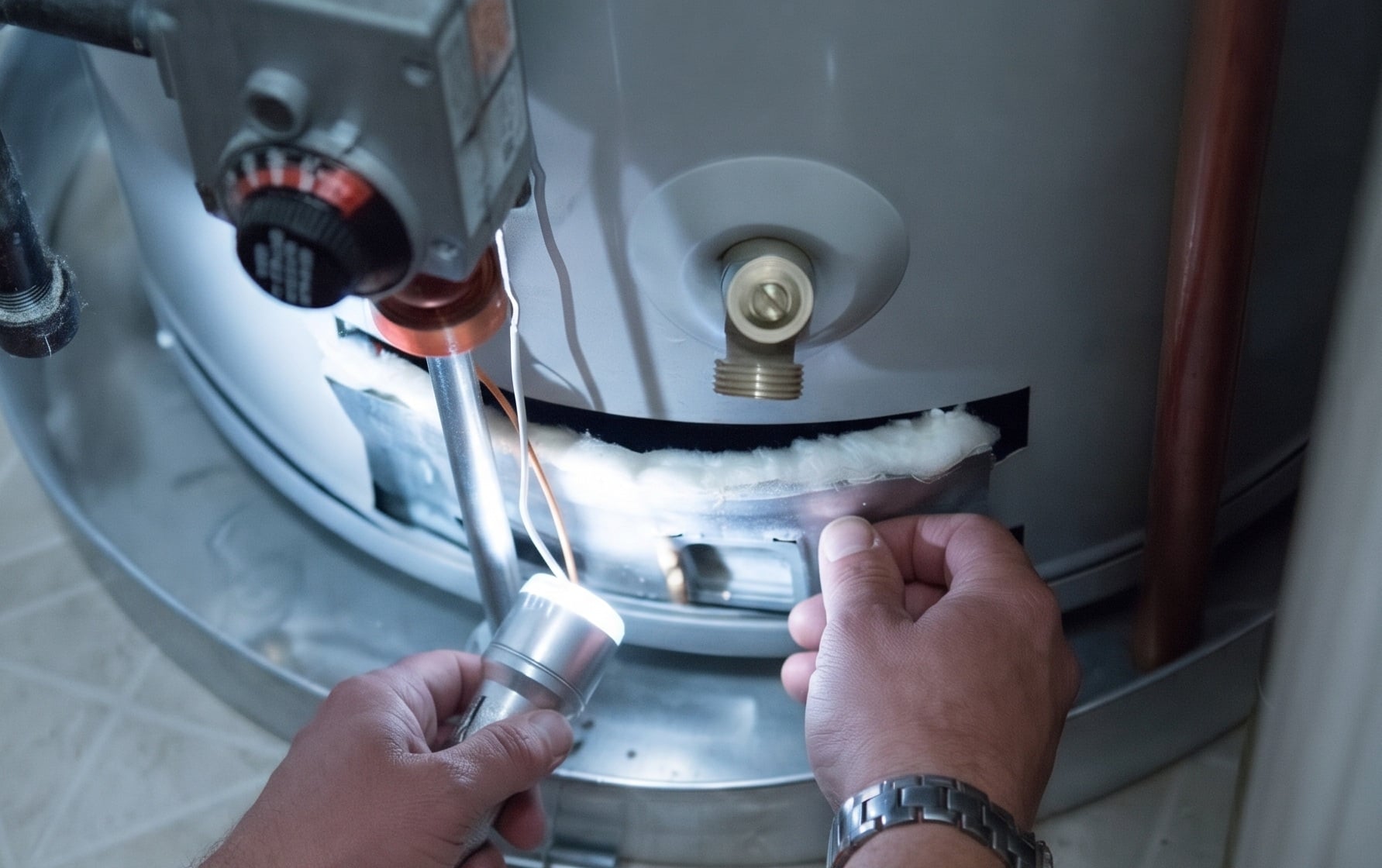
A water heater is the appliance in your home that works every day and gets noticed the least, right up until the morning the shower runs cold or the closet floor is wet. Most water heaters give warning before either of those happens, and the warnings are easy to read once you know what they mean. This post explains how to find out how old your water heater is, what the common signs of wear are telling you, and how to decide whether the next problem is worth repairing or is the signal to replace.
Start with the age
Every water heater has a label with a serial number, and the manufacture date is encoded in it, usually in the first few characters. Many labels also print the date outright. A conventional tank water heater, gas or electric, lasts about 8 to 12 years, and a tankless unit lasts about 20 with regular maintenance. If your tank heater is past ten years, every sign that follows carries more weight, because the question is no longer whether it will fail but when.
Less hot water, or water that will not stay hot
The first thing most people notice is that the shower runs out of hot water sooner than it used to, or the temperature swings between hot and lukewarm. On a tank heater, the usual cause is sediment. Minerals in the water settle to the bottom of the tank over the years and form a layer that the burner or the lower heating element has to heat through, which slows recovery and reduces the tank’s usable capacity. On an electric heater, a failed lower element or a worn thermostat produces the same symptom. This matters more in winter, when the water coming into the tank is colder and the heater has more work to do, which is why so many heaters that struggled through the summer fail in December.
Rumbling, popping, or knocking
A tank heater that rumbles or pops while it heats is boiling water trapped under that layer of sediment. The sediment is insulating the bottom of the tank from the water above it, so the tank bottom overheats, and steel that is repeatedly overheated becomes brittle and eventually leaks. Flushing the tank once a year removes sediment before it hardens. A tank that has never been flushed and is now loud usually has a layer too hardened to flush, and the noise is a sign the heater is on its last few years.
Rusty or discolored water from the hot taps
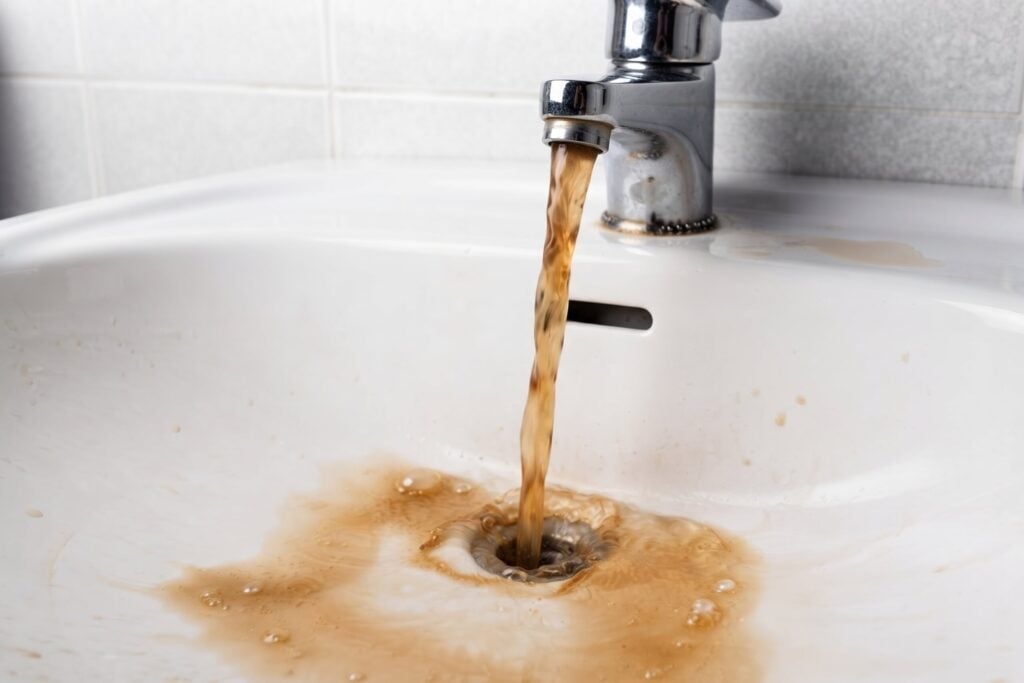
Fill a glass from a hot tap and one from a cold tap. If only the hot water is rusty or brown, the inside of the tank is corroding. Every tank heater has an anode rod, a sacrificial metal rod that corrodes so the tank does not, and once the rod is used up, which takes about five years, the tank itself starts to go. Replacing the anode rod on a younger heater extends its life considerably. Rusty water from an older heater means the tank walls are already thinning, and a leak is coming.
Moisture around the base
Any dampness at the base of a tank heater deserves immediate attention. Sometimes it is a fitting or the drain valve, which can be repaired. Often it is the tank itself, weeping through a hairline crack in the steel, and a tank that has begun to leak cannot be repaired. It can only be replaced. If the heater sits in an attic or a closet above finished space, which is common in Columbia homes, a tank failure means a ceiling as well, and the cost of waiting goes up accordingly. Water on the floor is the sign to schedule water heater replacement that week.
Repairs that keep adding up
Repairs on an aging heater tend to arrive in sequence: a heating element, then a thermostat, then a relief valve or gas valve. Each one is reasonable on its own, but when a heater past ten years needs its second or third repair in a couple of years, those repairs are buying time on a tank that is failing regardless. A rule that serves homeowners well is that when a repair costs more than half of what a new heater would, or the heater is past the ten-year mark, replacement is the better use of the money.
Choosing the replacement
When the time comes, the choice is mainly between a new tank heater and a tankless unit. A tank heater is the lower upfront cost and the simpler swap. A tankless unit heats water on demand, so it never runs out, takes up a fraction of the space, and lasts about twice as long. Tankless units also perform well in this climate for a specific reason. The water coming into a Columbia home from the main is much warmer than the water in a northern city, so a tankless heater here has less work to do per gallon and delivers a higher flow rate than the same unit would up north. The trade-off is a higher installation cost, and a gas unit needs a properly sized gas line and venting. A tankless water heater consultation covers whether your home’s gas supply and usage make it the right choice, and financing options are available for either type.
Decide before the tank does
2nd Wind Heating & Air Conditioning has served greater Columbia since 1985. If your water heater is past ten years, or is showing any of the signs above, schedule an inspection online or through the 24/7 chat on our website. The technician will check the age, the anode rod, the sediment level, and the relief valve, show you the condition of the tank on video, and give you the repair and replacement options with prices.