
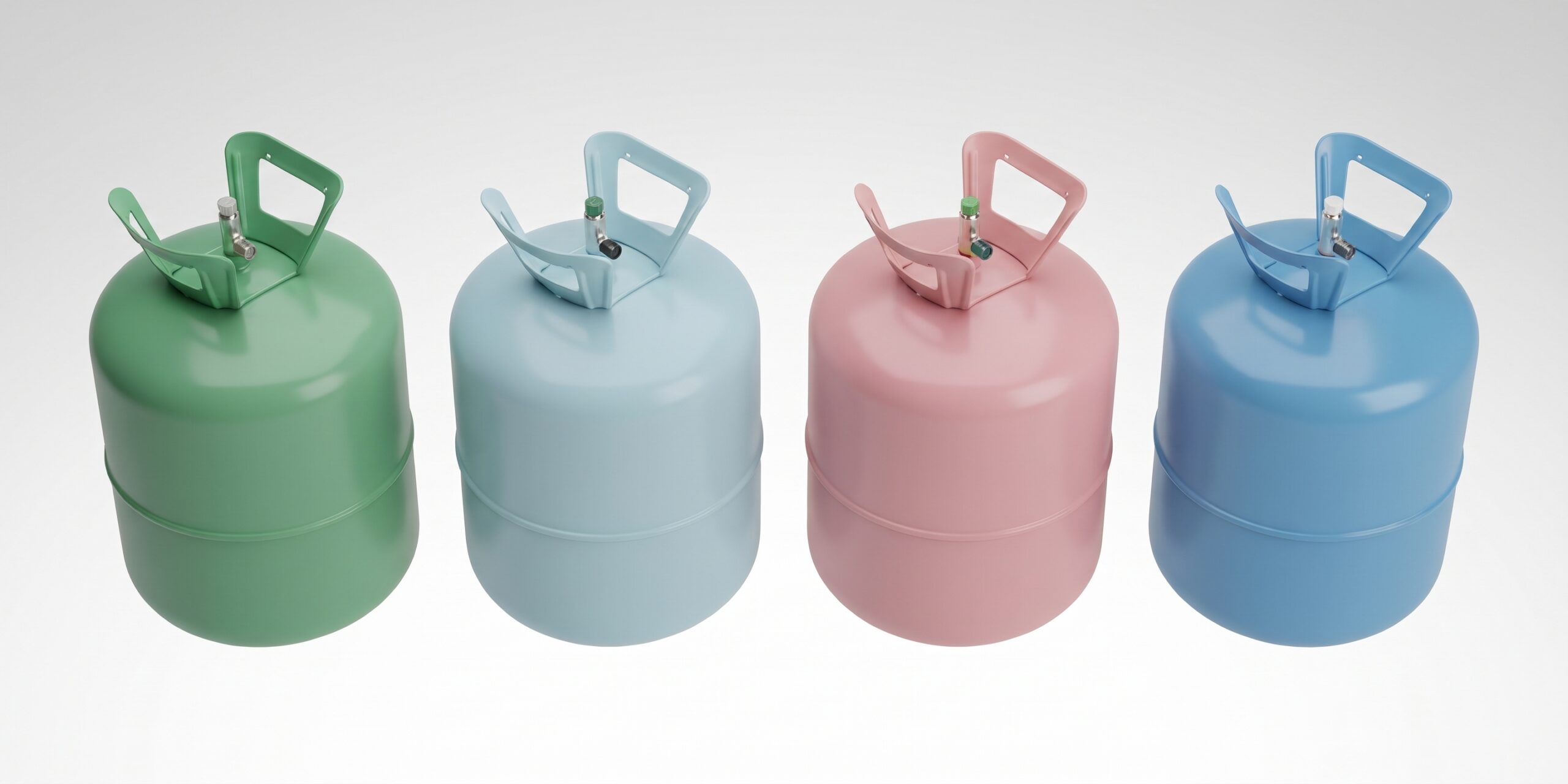
A refrigerant top-off makes an air conditioner feel fixed for a while, and then the same warm air comes back. Refrigerant circulates in a sealed loop and never gets used up, so a system that is low has a leak, and adding refrigerant without repairing that leak only resets the clock. In Columbia, where the cooling season runs five months and the system logs more hours than almost anywhere outside the Gulf Coast, the clock runs out faster. The lasting fix is a leak search, a repair, and a recharge to the manufacturer’s exact specification, or a replacement when the leak is in a coil on an older system.
Here is what a top-off looks like over time, which is the clearest way to see why it is not a repair.
The First Week
The system cools well again. The coil stays cold, the air at the vents is crisp, and the power bill eases. The leak is still there, losing refrigerant at the same rate it did before, and the pressure in the system is slowly dropping. Nothing feels wrong… yet.
The First Month
Runtime starts to creep up. The system reaches the thermostat setting, but it takes longer each week, because a falling charge means the coil absorbs less heat from your air. If the leak is in the evaporator coil, moisture and air are also entering the loop through the same opening, and moisture reacts with the refrigerant oil to form acids that attack the compressor from inside. The power bill climbs back toward where it was.
By Midsummer
The symptoms return. Lukewarm air, a coil that ices over on humid afternoons, water on the floor when it thaws, and a compressor that runs hot because it is starved of the cool refrigerant vapor it depends on. You are now paying the full energy penalty of a low charge during the most expensive weeks of the year, and the compressor has aged faster than it should have. The second top-off costs the same as the first and lasts about as long.
Why the Refrigerant Itself Is Getting Expensive
Older systems run on R-22, which the EPA stopped allowing to be produced or imported in 2020, so every ounce comes from a shrinking reclaimed supply. Systems installed from about 2010 through 2024 use R-410A, and an EPA phasedown that began in 2025 moved new residential equipment to lower-impact refrigerants such as R-454B and R-32. R-410A is still available, but its cost rises as production falls, which makes a leak that is topped off three times a year more expensive each year.
What a Proper Leak Repair Involves
A technician locates the leak with electronic detectors, ultraviolet dye, or a nitrogen pressure test, then repairs it: tightening a service valve, re-brazing a joint, or replacing a coil when the leak is inside it. The system is pressure tested, evacuated to remove moisture and air, and recharged by weight to the manufacturer’s specification. Federal law under Section 608 of the Clean Air Act requires that work to be done by certified technicians with recovery equipment, which is part of why a quick top-off is a shortcut around the job itself.
Our technicians record video of the leak and review it with you, so you can see where the refrigerant is escaping and judge the repair recommendation for yourself.
When the Leak Is in the Coil of an Older System
An evaporator coil leak on a system past ten or twelve years is the point where repair and replacement meet. A new coil costs a large share of a new system, it has to match the refrigerant the old system uses, and the rest of the equipment keeps aging. In that case we quote the coil repair and a full replacement side by side. A new system runs on a current refrigerant, carries a full warranty, and uses less electricity through Columbia’s long cooling season, and financing options are available to spread the cost.
Fixing It Once
2nd Wind has handled air conditioning repair across Richland, Lexington, Kershaw, Newberry, and Fairfield counties since 1985, and our trained experts find the leak before anyone adds refrigerant. You see the problem on video, you hear the options explained, and the repair is done right the first time. Schedule online or reach our team through 24/7 website chat, and same-day service for residential customers is arranged by phone when the air has already turned warm.
Frequently Asked Questions
How much refrigerant does a home air conditioner hold?
A typical residential system holds somewhere between five and fifteen pounds depending on its size and the length of the line set, and the exact amount is listed on the data plate along with the refrigerant type. Because the charge is small, losing even a pound changes performance noticeably. That is why a system can go from fine to lukewarm within a few weeks of a leak starting.
Can a technician tell how big the leak is?
Yes, roughly. The amount of refrigerant needed to bring the system back to specification, compared with the time since the last charge, gives a leak rate, and the location found during the search tells the rest. A slow valve leak and a corroded coil call for very different repairs.
Is a refrigerant leak dangerous inside the house?
The refrigerants in home systems are low in toxicity and the quantities are small, so a residential leak is a performance and equipment problem rather than a health emergency. The newer lower-impact refrigerants are mildly flammable, which is one reason new systems include leak sensors and why repairs on them belong to a certified technician.
Does a leak repair come with a warranty?
Repairs for members of our maintenance plan are backed by a one-year parts and labor warranty, and a coil replacement carries the manufacturer’s parts coverage when the system is registered. Ask your technician what applies to your specific repair before the work begins.
Will a new system need refrigerant top-offs too?
A correctly installed system should never need one. New installations are charged by weight, the line set is pressure tested and evacuated, and the joints are checked before the system runs. If a new system loses charge, there is an installation defect, and that is a warranty matter rather than a maintenance item.