
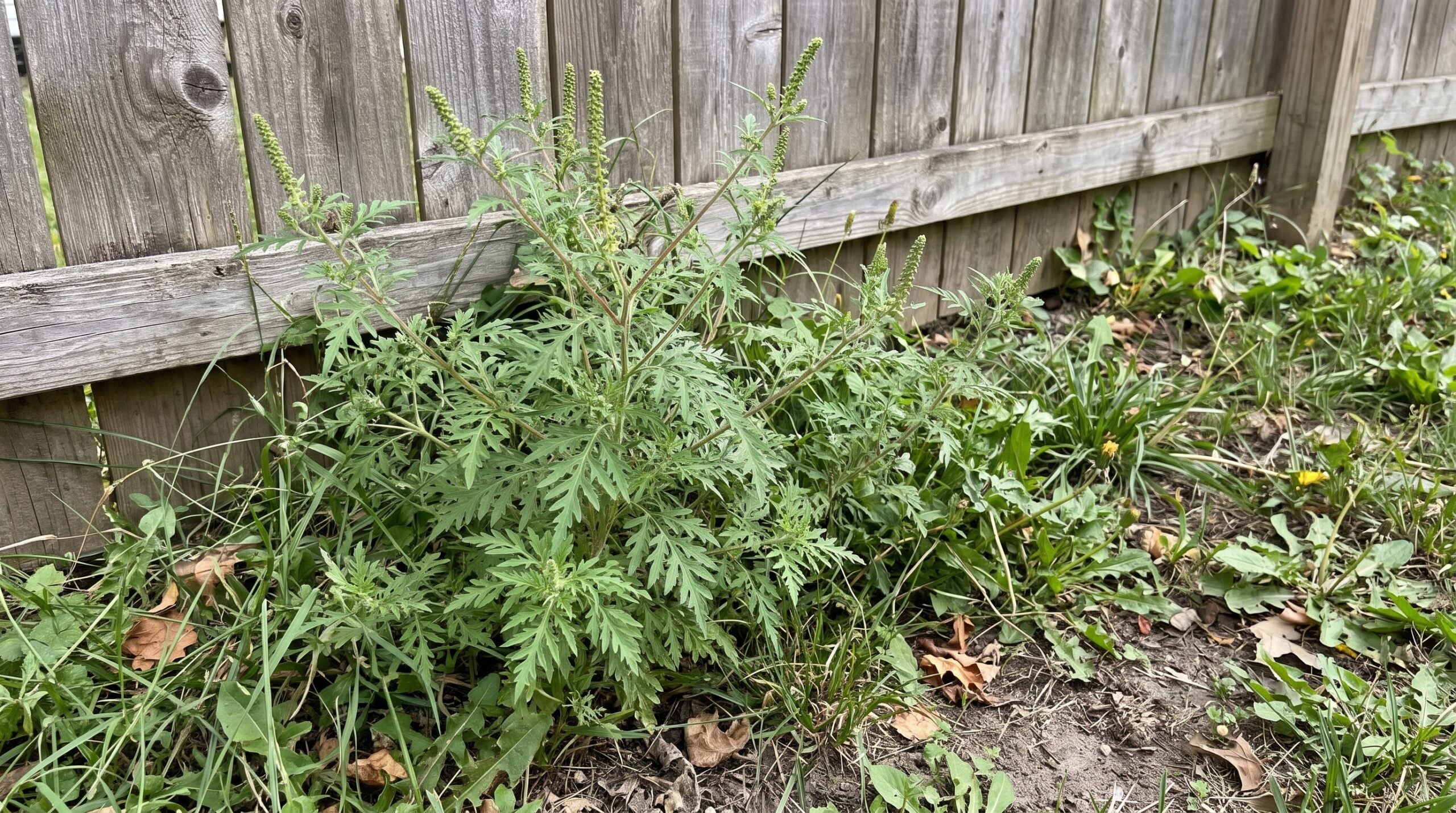
Ragweed season in the Midlands starts in late August, peaks in September, and does not end until the first frost, which in Columbia usually arrives in mid-November. That is close to three months of pollen that is small enough to travel miles on the wind and to slip through a low-grade filter. The way to manage it indoors is to treat the season as a calendar: a filter change and closed windows when it starts, duct and humidity attention in the thick of it, and a system changeover done cleanly when the heat comes on in late October.
Because the average person is indoors for most of every day, the air in the house has as much say in how the season goes as the pollen count on the news. Here is the plan, month by month.
Late August: The Season Starts
Ragweed plants release pollen as the days shorten, and counts climb through the last two weeks of August. Replace the HVAC filter now, since the one that carried the summer is loaded with five months of cooling-season dust. A pleated filter rated MERV 11 captures the fine ragweed grains that a MERV 8 lets through, and most systems handle it without restricting airflow. Begin shutting the windows during the morning hours, which is when ragweed releases most of its pollen, even though those are the first pleasant mornings in months.
September: The Peak
September is the heaviest month, and it is also still summer in Columbia, with highs in the upper 80s and the air conditioner running most of the day. That is useful, because the system is pulling indoor air through the filter many times a day. The limiting factor is the ductwork. Dust that settled in the ducts over the summer gets redistributed every time the blower starts, and return ducts with open joints in a crawl space or attic pull in unfiltered air. A September duct inspection tells you which the system is doing, and a sealed return takes care of the pollen and the humidity it was pulling in together.
October: Humidity and the Changeover
October in Columbia stays warm and frequently damp, so indoor humidity drifts above 50 percent, which is the point where dust mites stay active and mold finds the closets and bathrooms, all while ragweed is still in the air. Holding humidity in the EPA’s recommended range of 30 to 50 percent keeps both in check. A whole-home dehumidifier takes over during the damp weeks when the air conditioner cycles too little to dry the house by itself.
Late October is also when the heat comes on for the first time, and the first heating cycle blows whatever settled in the ducts over summer into every room. A fresh filter before that cycle, and a heating tune-up that checks airflow and cleans what the summer left behind, makes the changeover a non-event for allergy sufferers.
November: The First Frost
Ragweed ends with the first hard frost, which the Midlands typically sees in the second or third week of November. Replace the filter once more, since it has carried the full season, and open the windows on the mild afternoons that follow to flush the house. Households that struggled through the season can use the quiet months to add filtration, since an air scrubber installed in the ductwork over the winter is ready for pine pollen in March.
The Daily Habits
- Keep windows closed during the morning hours, when ragweed counts peak.
- Shower and change after time outdoors, and keep pets off bedding during the worst weeks.
- Run a HEPA-filtered vacuum through the house and wash the bedding in hot water every week.
- Run bath and kitchen fans to vent moisture, and watch the humidity reading on a hygrometer.
- Change the filter at the start, the peak, and the end of the season.
What the Season Teaches About the System
A home where the ragweed season is bad indoors every year usually has a system problem, not just a pollen problem: a filter that is not capturing fine particles, ducts that are redistributing dust, or returns that are pulling in outside air. Each is measurable, and fixing it improves efficiency and comfort for the rest of the year. Members of our Cloud 10 Membership get their fall visit scheduled before the heat comes on, with a filter replacement and coil cleaning included.
Getting Help Before the Season Peaks
2nd Wind has served Columbia and the surrounding Midlands since 1985, and our trained experts match indoor air quality solutions to your home and your household instead of selling one package to everyone. You hear the options explained, you see what the technician finds in the ducts, and the work is done right the first time. Schedule an assessment online or reach our team through 24/7 website chat, and we will help you stay ahead of the season.