

When you closed on the house, you took on systems that used to be someone else’s job, and it’s most likely nobody handed you a manual. This guide is the closest thing to one for a Columbia home: what the major systems are, what each needs from you and how often, which tasks are yours and which need a professional, and the few things to locate in your first week.
Your first week: find five things
Before anything else, find the main water shutoff and confirm it turns. In many Columbia homes it is in the crawl space or at the meter. Find the breaker panel and read the labels. Find the gas shutoff if you have gas service. Find the air filter, in a return grille or in the air handler, and note its size. And find the water heater and read the manufacture date on its label. Those five are what you will need in an emergency, which is the last time you want to determine where they’re at.
Heating and cooling
The heating and cooling system is the largest and most expensive system you own, and in Columbia it cools from April through October and heats on the cold nights in between. Most homes here use a heat pump; others use a furnace with a separate air conditioner, a gas pack, or a dual fuel system. Your responsibilities are the filter, which needs checking monthly and changing every one to three months, and the outdoor unit, which needs two feet of clearance and a rinse after pollen season. A professional’s responsibilities are a spring cooling tune-up and a fall heating tune-up, covering the coils, the refrigerant charge, the electrical parts under load, the condensate drain, and on gas equipment the heat exchanger. Those two visits are what most manufacturer warranties require and what keeps a system here running 15 years instead of 10. A maintenance plan puts both on the calendar automatically.
Plumbing
Plumbing asks the most of you at two times of year. In fall, disconnect hoses, cover outdoor spigots, shut down the irrigation, and wrap any exposed pipe in the crawl space, garage, or attic, because Columbia’s short freezes catch pipes that were never insulated. Before the holidays, have any slow drain cleared and keep grease out of the kitchen sink and wipes out of the toilets. Year round, watch the water bill for a jump, the first sign of a hidden leak, and glance under sinks for moisture. A professional handles an annual inspection of pressure, supply lines, valves, drains, and the crawl space, along with anything involving gas lines or the sewer line. See our plumbing services for the full range of service options.
The water heater
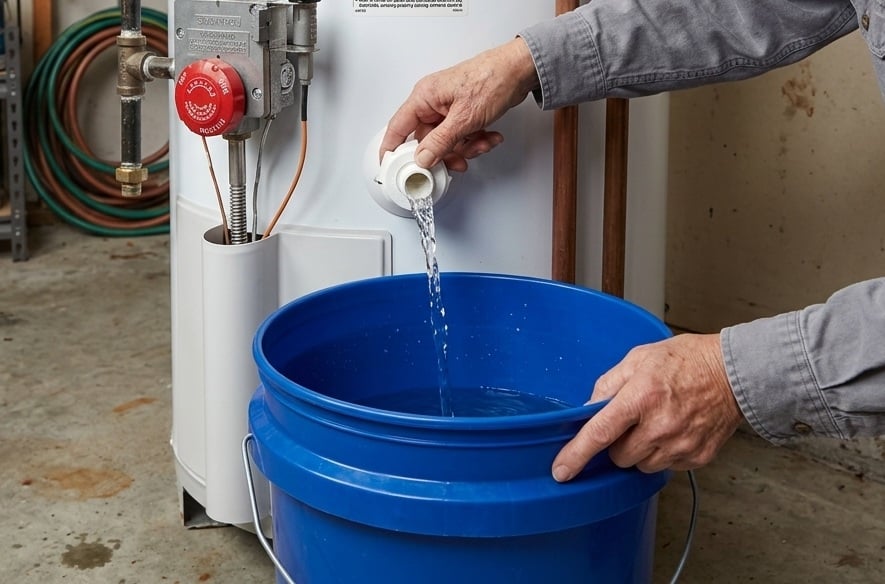
The water heater gets its own entry because it fails without warning and new homeowners know least about it. A tank heater lasts 8 to 12 years and a tankless unit about 20. Your job is to know its age, flush a few gallons of sediment from the drain valve once a year, and watch its base for moisture. A professional replaces the anode rod that protects the tank from corrosion, tests the relief valve, and tells you when replacing it on your schedule beats waiting for it to fail. If the heater sits over finished space, its failure will damage a ceiling, so the age matters more.
The generator, if you have one
A standby generator runs a short self-test each week, and your responsibility is to notice whether it does and to glance at the controller for a warning light. A professional handles annual service, with an oil change, a battery test, and a run under full load, and that visit determines whether it starts in the next outage. If the house does not have a generator and your street loses power often, our home generators page explains how sizing works for a home with a heat pump.
Air quality and safety devices
The filter and the condensate drain are the first line. A damp crawl space feeds moisture into the ducts that run through it, so a musty crawl space is an air quality problem upstairs. Test smoke and carbon monoxide detectors twice a year and replace them when they pass the life printed on the back, and every home with gas appliances or an attached garage needs a carbon monoxide detector. The dryer vent needs cleaning yearly, since lint in a long vent run is a leading cause of house fires. Whole-home solutions such as dehumidifiers, air scrubbers, and duct cleaning are covered on the indoor air quality page.
Records, warranties, and the budget
Keep a folder with the manufacture dates of each system, every service receipt, and the warranty terms. Equipment warranties often run ten years on parts but require documented maintenance, and the folder makes a claim possible. The same folder is the basis for a budget: knowing that the water heater is nine years old and the heat pump is twelve tells you which replacement is coming first and how much to set aside for it. That is the difference between a replacement you chose and one that chose you.
Where the line falls
Filters, hoses, covers, settings, detectors, and looking are yours. Refrigerant, gas, high voltage, combustion equipment, sewer lines, and anything requiring test equipment belong to a professional, because the risks are serious and the tests that matter cannot be done by eye. A homeowner who handles the first list and schedules the second twice a year spends less on the house over a decade than one who does neither when emergencies are prevented.
Get a baseline
2nd Wind Heating & Air Conditioning has served greater Columbia since 1985. The best first step is a baseline visit that documents the age and condition of the heating, cooling, and plumbing systems on video. Schedule online or through the 24/7 chat on our website, and ask about the Cloud 10 Membership, which puts the professional half of this guide on a schedule.