
Cooling is not optional in Columbia, where the system runs from April into October and works its hardest through a stretch of afternoons in the mid 90s. That long season shapes which cooling systems make sense here, and the difference between a good fit and a poor one shows up on every power bill for fifteen years. This post compares the main options, what each does well, where each falls short, and how to decide.
Central air conditioning
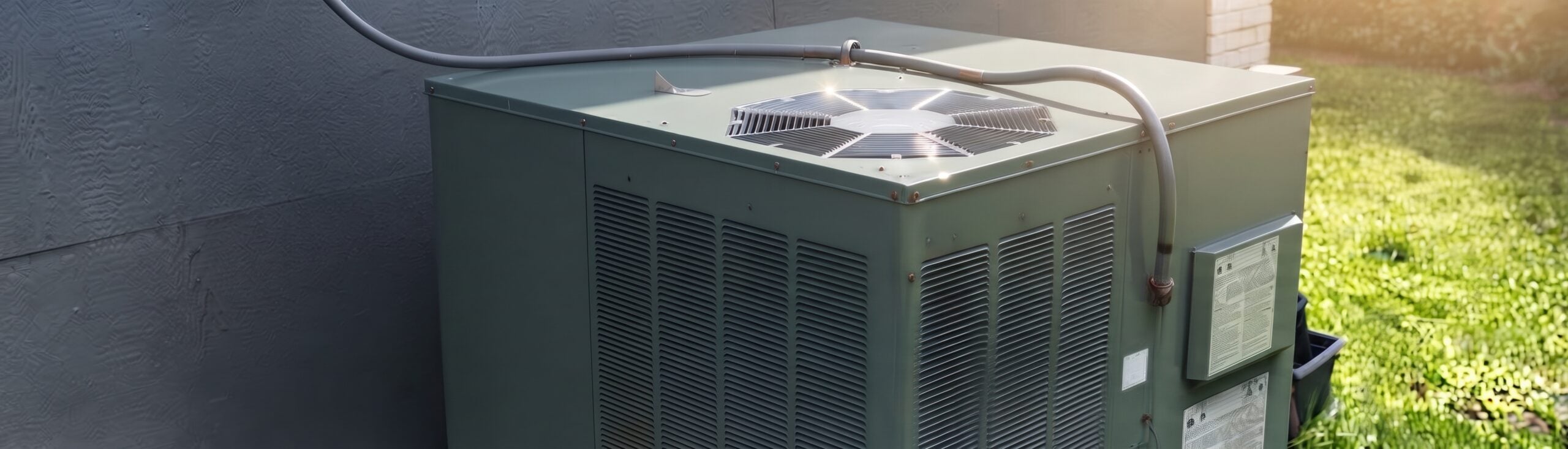
A conventional central air conditioner is a split system: an outdoor unit with the compressor and condenser coil, an indoor coil and blower in the air handler or furnace, and ductwork carrying cooled air to every room. It remains the standard for homes with existing ducts and a separate heating source such as a gas furnace. Its strengths are even whole-house cooling, effective dehumidification when properly sized, and a wide range of efficiency levels. Its limits are that it only cools, so it must be paired with a furnace for winter, and it depends on the ductwork being sound. In an older home with leaky or undersized ducts, a new air conditioning system will not perform to its rating until the ducts are addressed.
Heat pumps
A heat pump looks and works like a central air conditioner in summer, with one difference that matters here: in winter it reverses and heats the house by pulling heat from the outdoor air. That makes it a single system for both seasons, and it is why heat pumps are the most common system in Columbia homes. Our winters are mild enough that a heat pump handles most of the heating season efficiently, leaning on electric auxiliary heat strips only on the coldest nights, when they are expensive to run. Supply air from a heat pump also feels cooler than a furnace’s even when it is working correctly. For a home without natural gas service, a heat pump is usually the clear choice, and modern variable-speed models dehumidify better than the single-stage units they replace.
Dual fuel systems
A dual fuel system pairs a heat pump with a gas furnace and lets the controls choose. The heat pump runs on mild days, which is most of the winter here, and the furnace takes over when temperatures drop into the 30s and the heat pump would otherwise lean on its strips. The result is heat pump efficiency for most of the year and strong, inexpensive furnace heat on the nights a Columbia home needs it. It costs more upfront than either system alone, and it only makes sense for a home that has gas service. For those homes, a dual fuel system is often the most comfortable option available.
Gas packs and packaged units
A packaged unit puts the whole system, both the cooling components and the heating, in a single cabinet outside the house, with ducts connecting it to the rooms. A gas pack is a packaged unit that cools with a compressor and heats with a gas furnace section. These systems are common in the Southeast because so many homes here have no basement and limited attic space for an indoor air handler. They cost less to install than a split system in many cases and are easier to service because everything is in one place. The limit is efficiency; packaged units generally top out below the highest-efficiency split systems. For a home that already has a gas pack, replacing it with another is usually the practical path.
Ductless mini-splits
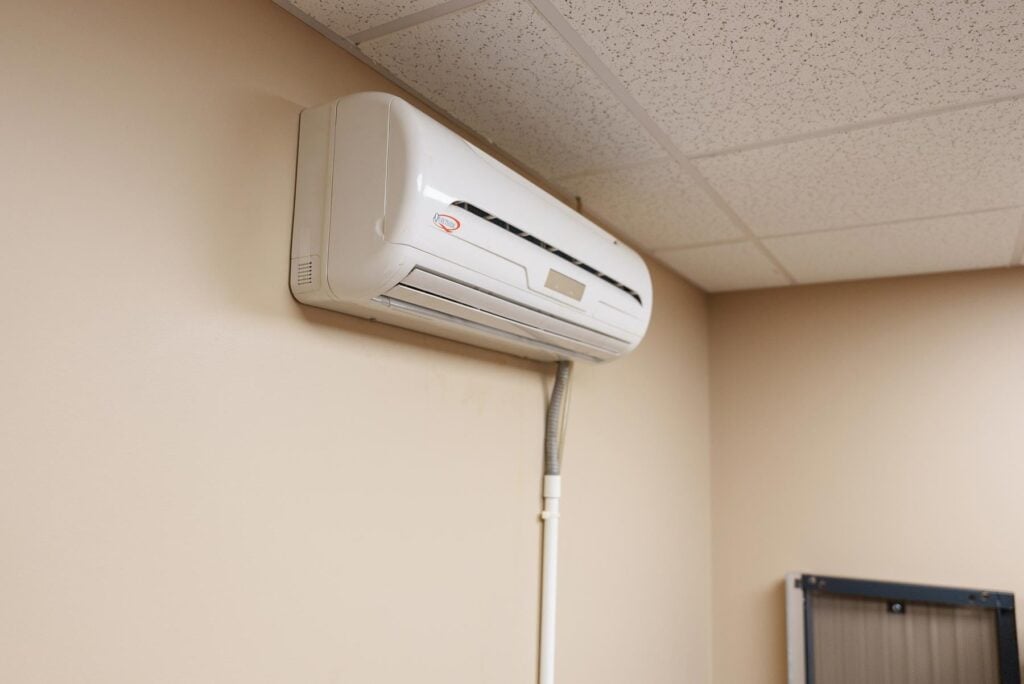
A ductless mini-split has an outdoor unit and one or more indoor units mounted on walls or ceilings, connected by refrigerant lines rather than ducts. Each indoor unit cools its own zone with its own thermostat. Mini-splits are the answer for spaces the central system does not reach or cannot keep up with: the bonus room over the garage that runs ten degrees hotter than the rest of a Columbia house, a sunroom, a converted garage, or an addition. They are also a whole-house option for older homes without ductwork. They are very efficient and quiet, and they heat as well as cool. Their limits are cost when several zones are needed and the visible indoor units. A ductless mini-split is rarely the whole answer for a large house, but it solves a hot room better than anything else.
Window units and whole-house fans
A window air conditioner cools one room, costs little, and is inefficient and loud. A whole-house fan pulls cool outdoor air through the house at night, which works well in dry climates and poorly here, because a Columbia night in July is 75 degrees and humid, and the fan pulls that humidity indoors for the air conditioner to remove the next day.
How to choose
Three questions narrow the field. Do you have natural gas service, which opens the door to a furnace, a gas pack, or dual fuel? Do you have sound ductwork, which supports any central system, or none, which points toward mini-splits? And is there a room the current system cannot handle, which is a mini-split regardless of what cools the rest of the house? Beyond those, efficiency is worth paying for here more than in most places, because the system runs half the year, and sizing is worth getting right, because an oversized system in a humid climate short cycles and leaves the house clammy. A proper load calculation, which measures the home rather than estimating from square footage, is part of every replacement estimate we provide.
Talk through the options for your house
2nd Wind Heating & Air Conditioning has installed and serviced cooling systems in greater Columbia since 1985. If you are replacing a system or adding cooling to a space, schedule an in-home consultation online or through the 24/7 chat on our website. The technician will measure the home, review the ductwork and gas supply, and give you a firm price for the system that fits, with financing options available.