
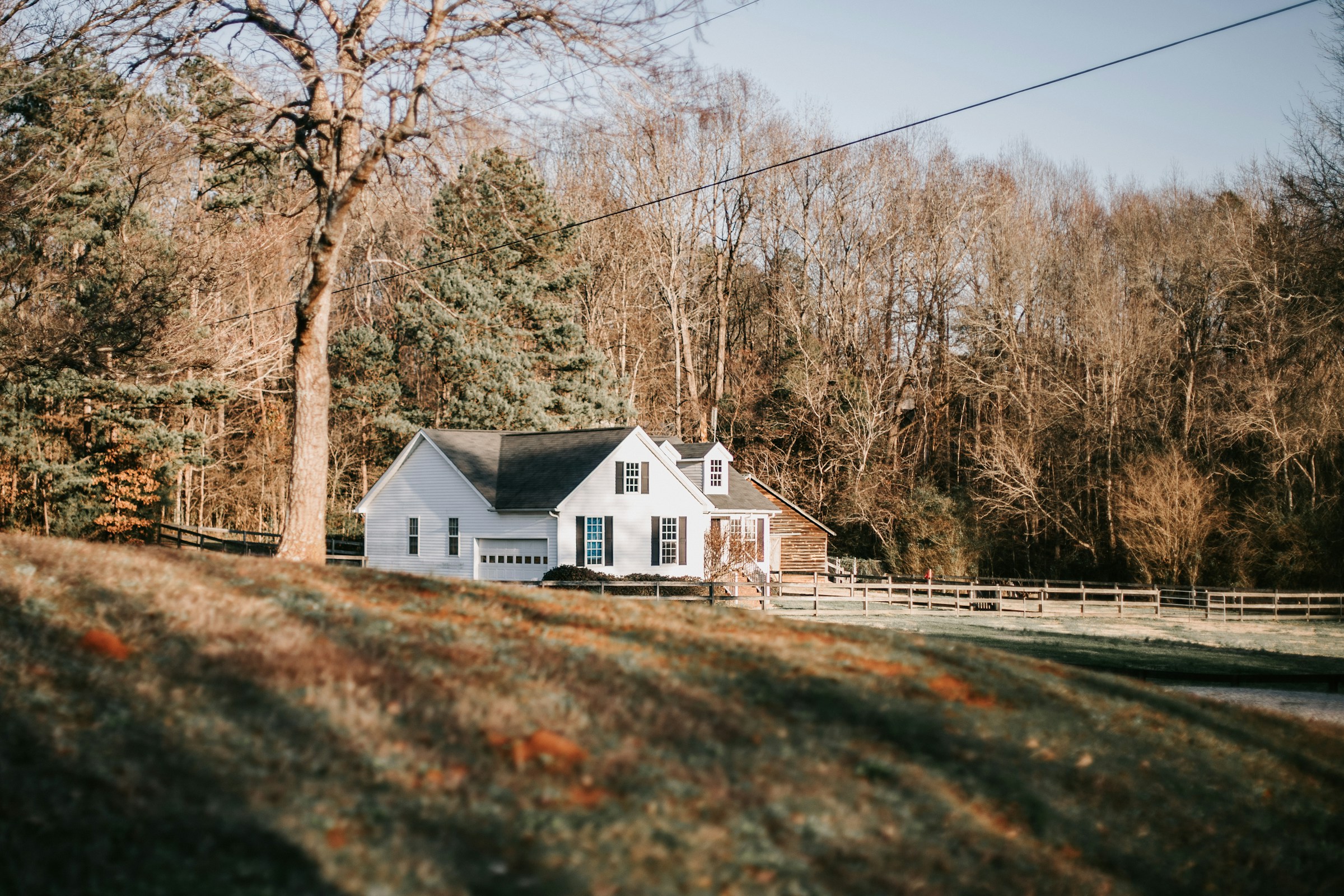
Fall is the one season when Columbia plumbing gets a break. Summer irrigation is winding down, the first freeze is still weeks away, and the holiday cooking and houseguests have not arrived yet. That makes October the right month to work through the checks below. None of them takes long, and every one of them heads off a problem that costs far more to fix in December than it does to prevent now.
Outdoor plumbing
Outdoor fixtures take the first hit when a freeze comes, and because a Columbia freeze usually follows a mild day, most people are caught off guard. Handle the outside first, while the weather is still pleasant enough to be out there.
- Disconnect garden hoses from every spigot and drain the hoses. A hose left attached traps water in the faucet body, and that trapped water is what splits the pipe behind the wall when it freezes.
- Fit an insulated cover on each outdoor spigot. They cost a few dollars and can stay on until March.
- Shut down and drain the irrigation system, or schedule the winterization with your irrigation company. Check the backflow preventer for drips while you are at it, since it sits above ground and freezes first.
- Look over any exposed supply lines to an outdoor kitchen, pool equipment, or a detached garage. Wrap them with foam pipe insulation, or plan to shut off and drain them before the first freeze.
Water heater
Your water heater works harder from now until spring, because the water coming into the tank is colder and takes more energy to heat. Sediment that settled on the bottom of the tank over the summer makes that job harder still, and it is the most common reason a heater runs out of hot water sooner than it used to. To clear it, flush a few gallons from the drain valve at the bottom of the tank until the water runs clear. While you are there, lift the test lever on the temperature and pressure relief valve for a second or two and confirm that water discharges and then stops. If it keeps running, or nothing comes out at all, the valve needs to be replaced. Check the temperature setting too; 120 degrees is hot enough for household use and lowers the risk of scald injuries.
Finally, find the manufacture date on the label. A tank heater older than about ten years is near the end of its service life, and the leak that ends it rarely gives notice. If yours is in that range, fall is a good time to look at water heater replacement options, before it fails with a house full of holiday guests.
Leaks and water pressure
Open every cabinet under a sink and run your hand along the supply lines and the drain trap, looking for water stains, swelling on the cabinet floor, or mineral crust around the fittings. Then put a few drops of food coloring in each toilet tank and wait fifteen minutes without flushing. If color shows up in the bowl, the flapper is leaking, which wastes water around the clock and shows up on your bill. For the plumbing you cannot see, read the water meter before bed and again in the morning with nothing running. A change overnight means there is a leak somewhere in the system, and professional leak detection finds it while it is still a small repair rather than a damaged floor or wall.
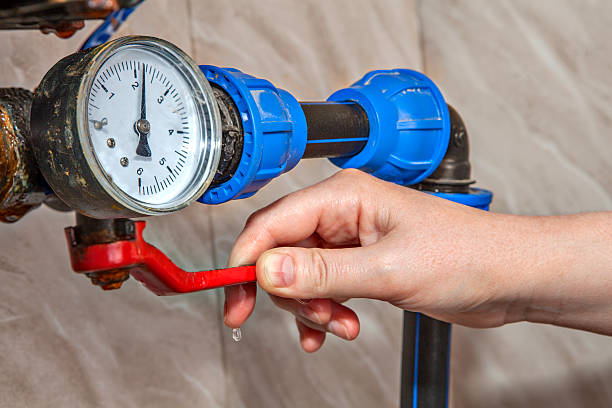
If your showers have weakened over the year, or a fixture sputters whenever another one runs, it is worth having the pressure checked. Low pressure can point to a failing pressure regulator, a partly closed valve, or corrosion building up inside older pipes, and a water pressure assessment tells you which one you are dealing with.
Drains
Holiday cooking sends more grease, starch, and food scraps down a kitchen drain in one week than the rest of the season combined, so a drain that is already slow in October will stop in November. Run hot water for a minute after each use, keep grease out of the sink entirely, and pay attention to any sink or tub that drains slowly or gurgles, since those are the early signs of a partial blockage. Having a slow line cleared with professional drain cleaning in the fall means it is fully open when the heavy use arrives.
Crawl space and exposed pipes
Many Columbia-area homes sit over a crawl space, and the supply lines running through it are the pipes most likely to freeze in a cold snap. Because freezing weather is so short-lived here, many of those lines were never insulated in the first place. Look for any bare copper or plastic pipe in the crawl space, the garage, and the attic, and wrap it with foam pipe insulation. Close the crawl space vents for the winter and seal the gaps where cold air blows in around pipe penetrations. If the crawl space stays damp, a sump pump keeps standing water away from the foundation and the ductwork.
While you are down there, locate the main water shutoff valve and make sure it turns. In an emergency, closing that valve is the first thing you will do, and a valve that has seized from years of sitting still is a bad discovery to make while water is running across the floor.
Get help with the items you would rather not do yourself
2nd Wind Heating & Air Conditioning has served greater Columbia since 1985. If you would rather have a licensed plumber flush the water heater, check the pressure, or inspect the crawl space, you can schedule a visit online or through the 24/7 chat on our website. A fall plumbing inspection is a short appointment, and it turns what would be a December emergency into a planned repair on your schedule.