
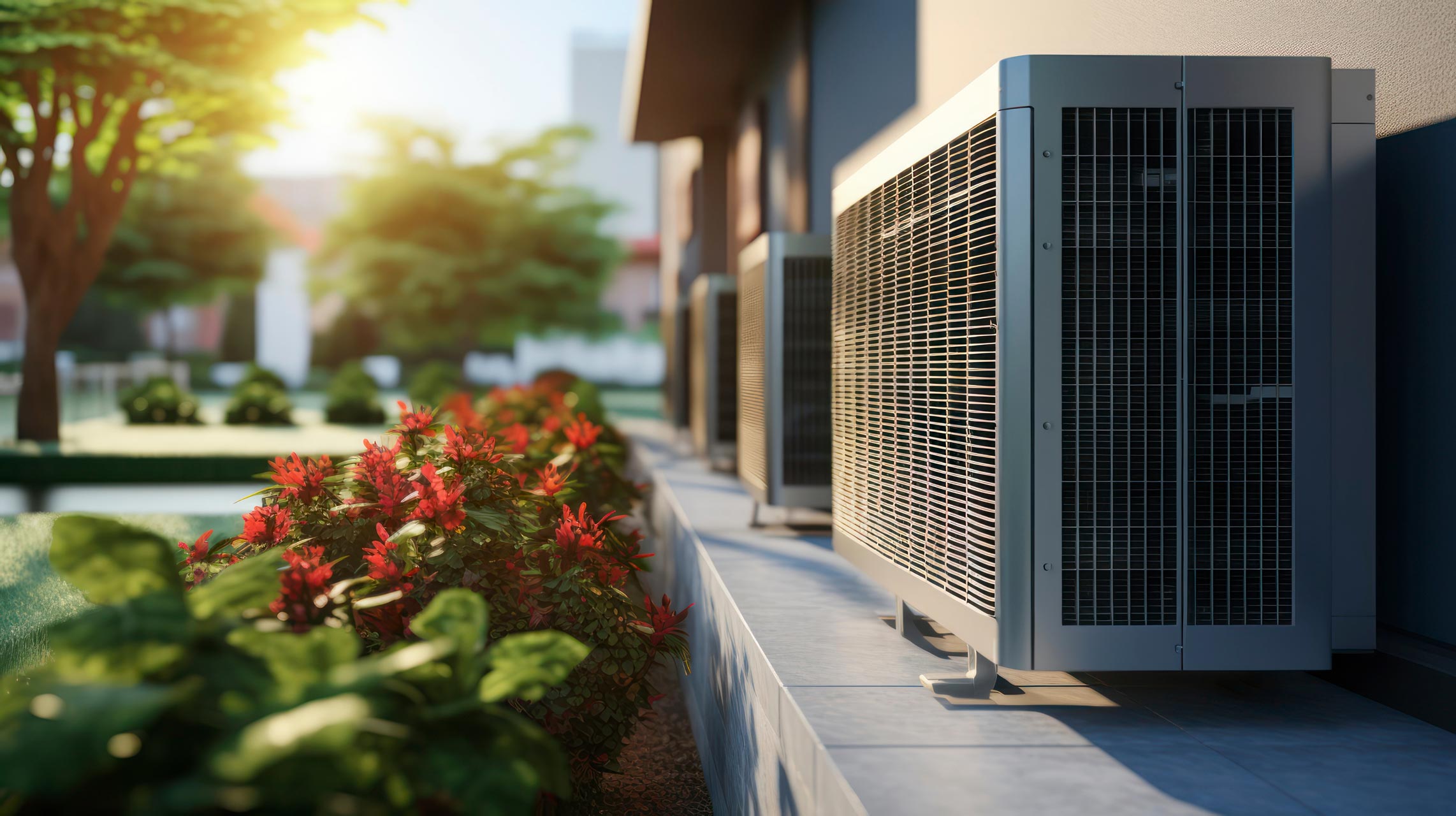
When afternoons push into the upper 90s and the heat index passes 105 for days at a time, air conditioning systems that were coasting through an ordinary summer begin to fail, and they fail in a predictable order. Some failures are mechanical, while others come from what homeowners do (and don’t do) in response to the heat. This post covers both; read on for insight on what might be impacting your system.
Why extreme heat is different for an air conditioner
An air conditioner works by moving heat from inside the house to the outdoor coil, where it is released to the outside air. The hotter the outside air, the harder that release becomes. Systems in Columbia are sized for design conditions around 95 degrees, so at 98 or 100 the system is operating past what it was built for. Refrigerant pressures rise, the compressor runs hotter, and the unit runs continuously without reaching the set point. Meanwhile the attic, where many Columbia air handlers and ducts live, is holding 130 to 140 degrees, and every bit of cooled air that passes through it picks up heat. A healthy system in a heat wave holds the house a few degrees warmer than usual and runs all afternoon. A system with any weakness has a good chance of failing in these conditions.
The mechanical failures that show up in heat
The first failure is usually the capacitor. Heat is hard on capacitors, and one that was marginal in May fails on the first 100-degree afternoon, leaving the outdoor unit humming with the fan still. The second is the compressor itself, particularly in older systems. A system with a low refrigerant charge, which was merely inefficient in June, cannot cool at all in a heat wave. Dirty condenser coils, which shed heat poorly on a normal day, cannot keep up at 100 degrees, and the compressor overheats and shuts down on its safety. And the condensate drain, which is carrying gallons of water a day from the humid air, is at its most likely to clog and trip the float switch. Each of these was a maintenance item in spring. In a heat wave, each is an emergency air conditioning repair call on the busiest day of the year.
Setting the thermostat too low
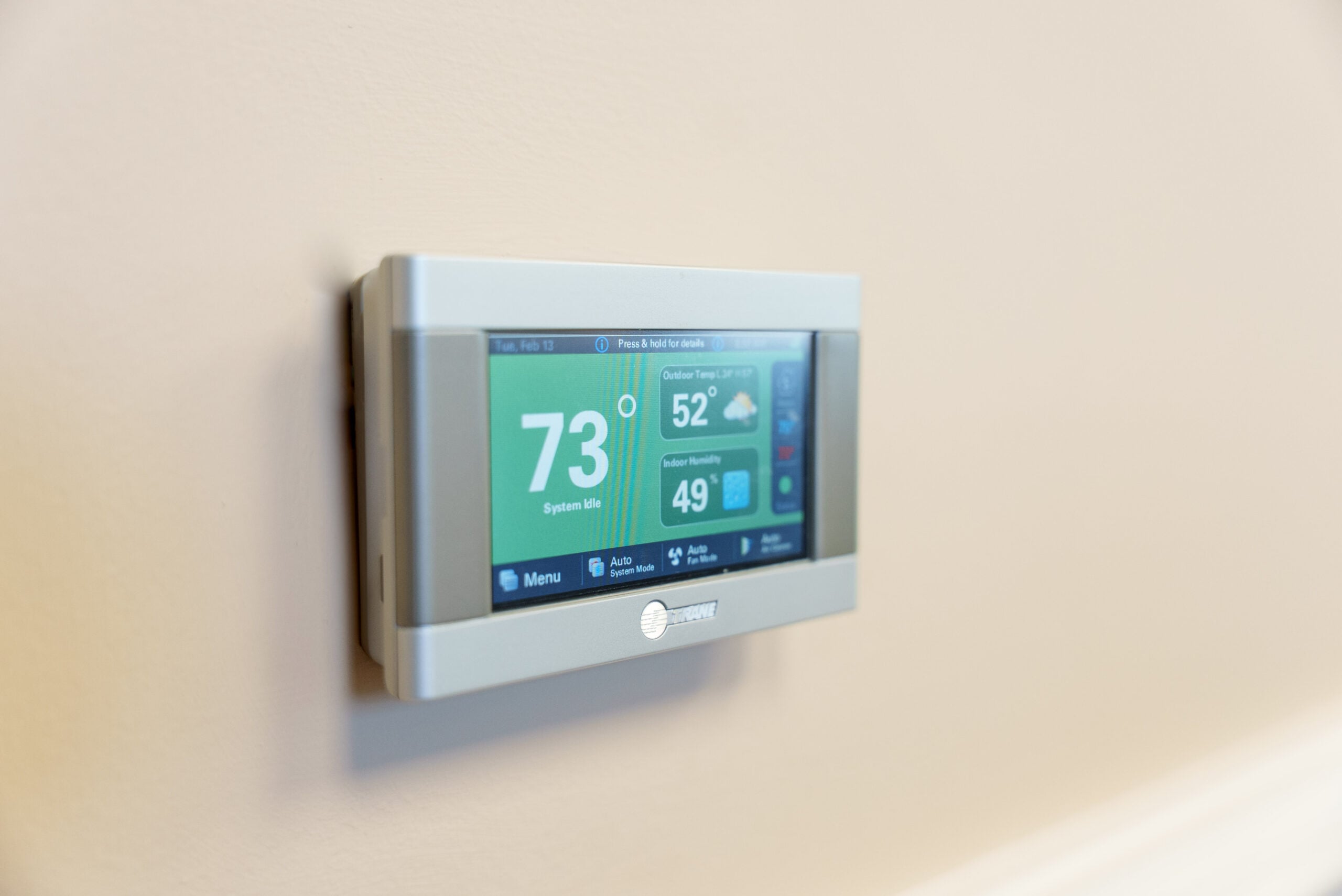
The first thing most people do when the house is warm is drop the thermostat to 68. It does not help. An air conditioner cools at one rate regardless of the set point, and a system already running continuously cannot run more. The lower setting only guarantees the system never cycles off, which stresses the compressor and removes the pauses in which the coil drains and the system dehumidifies. Set the thermostat where you can live, in the mid to upper 70s, and let the system hold it.
Closing vents and doors
Closing vents in unused rooms to push more air elsewhere backfires. Ductwork is designed for a certain amount of airflow, and closing vents raises pressure in the system, which reduces total airflow, strains the blower, and can freeze the coil. Closing interior doors does something similar by cutting off return air paths. Leave vents and doors open and let the system move air the way it was designed to.
Ignoring the filter and the outdoor unit
A filter that was due for a change in June becomes a crisis in a heat wave, because restricted airflow freezes coils and overheats blowers when the system runs around the clock. Change the filter before extreme heat arrives, not after the system fails. Outside, keep two feet clear around the condenser, clear pine straw and grass clippings from the coil, and make sure no sprinkler head sprays the unit. Some homeowners shade the unit, which helps slightly, and some cover it, which blocks airflow and does harm.
Adding heat you do not need to
In extreme heat, every appliance that gives off heat adds to what the air conditioner must remove. Running the oven at 6 p.m., drying a load of laundry, or leaving blinds open on the west side of the house in the afternoon adds heat the air conditioner then has to remove. Cook on the stovetop or outside, run the dryer and dishwasher after dark, and close blinds and curtains on sun-facing windows through the afternoon. Ceiling fans do not lower the temperature, but moving air feels several degrees cooler, which lets you leave the thermostat higher.
Opening the windows at night
Opening windows overnight to let in cooler air works in dry climates, but works against you here. On a Columbia night in a heat wave with humidity near saturation, every hour the windows are open means that moisture enters the house. In the morning, the air conditioner has to remove it before it can cool the air. Keep the house closed and let the system manage humidity along with temperature.
The warning signs to act on
A system under stress in extreme heat gives signs before it fails:
- Air at the vents that is cool rather than cold.
- Indoor humidity that climbs even as the temperature holds.
- New noises from the outdoor unit.
- Short cycling, or the opposite, a system that runs for hours and loses ground.
- A power bill that jumped.
- Water in the drain pan.
Any of these during a heat wave is a reason to have the system looked at that day, because the parts that fail in heat do not recover.
Prepare before the heat arrives!
Every mechanical failure on this list is found during a spring maintenance visit, when the capacitor is tested under load, the coils are cleaned, the charge is checked, and the drain is cleared. That is why the Cloud 10 Membership includes coil cleaning at every visit and gives members priority scheduling when a heat wave fills the phone lines. 2nd Wind Heating & Air Conditioning has served greater Columbia since 1985, and same-day emergency service is available for residential customers when the heat has already found the weak part. Schedule online or through the 24/7 chat on our website.