
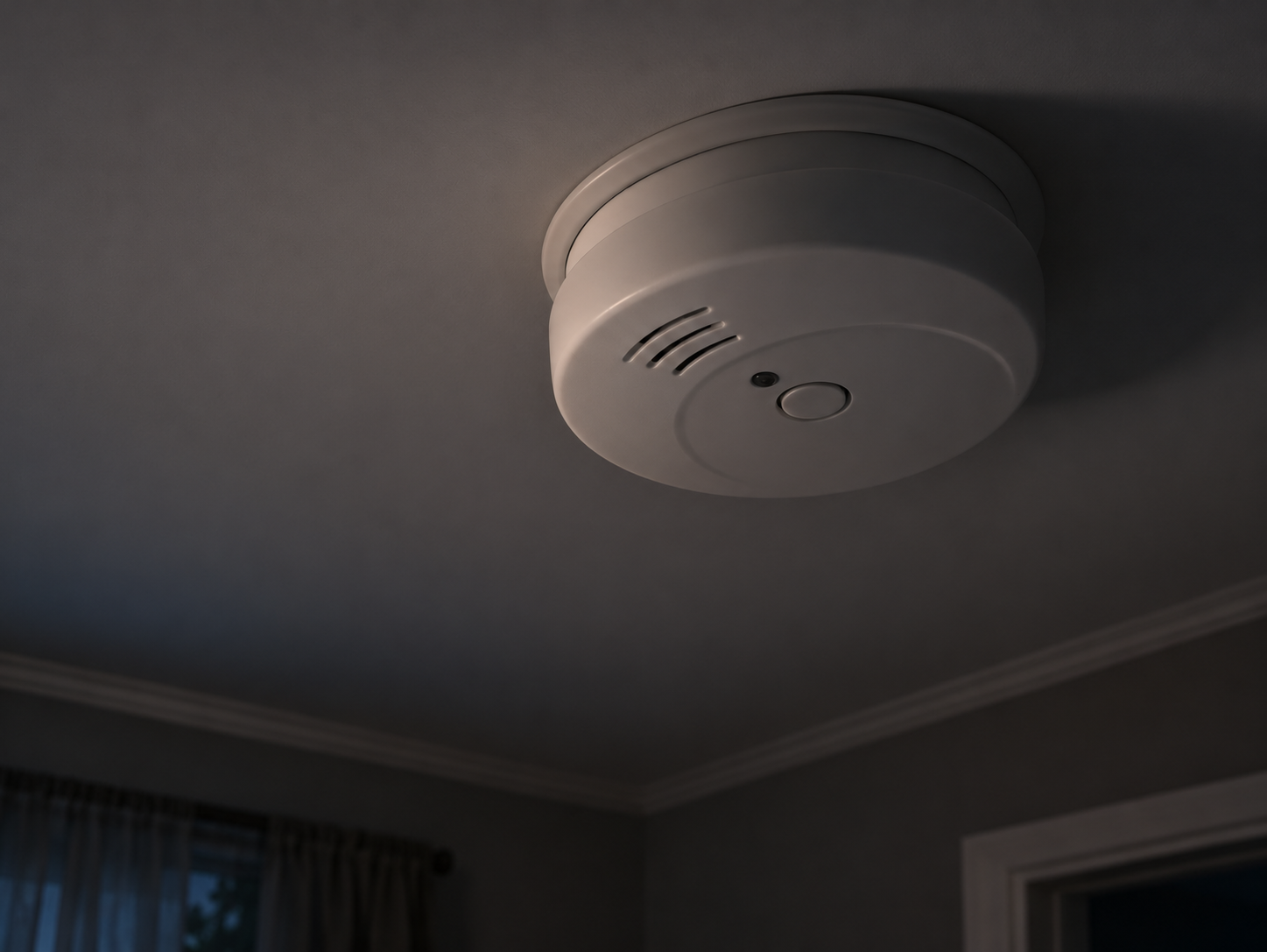
Most generator carbon monoxide poisonings happen on the first night of an outage, in the dark, with a storm still blowing, when a portable generator gets rolled into a garage or set under a carport because that seemed easier than the yard. The rules that prevent them are short. A portable generator runs outdoors only, at least 20 feet from every door, window, and vent, with the exhaust pointed away from the house. A garage, carport, basement, crawl space, or porch is never an option, even with the door wide open. Working carbon monoxide detectors on every level are the backup. And a permanently installed standby generator removes the midnight decision entirely.
The Midlands has had practice, since the February 2014 ice storm left hundreds of thousands of South Carolina homes dark for days, the remnants of Hurricane Helene in September 2024 did it again across Richland and Lexington counties, and the summer thunderstorms that roll through most weeks in July take down lines one neighborhood at a time. Here is how the night should go.
6 p.m.: The Lights Go Out
The first hour is for information, not the generator. Check whether the neighbors are out too, report the outage to the utility, and look at the forecast. Turn off or unplug the air conditioner, the computer, and the television, so that when power returns, often with a voltage spike, they are not on the line. Get the flashlights out. If you have a portable generator, this is when to walk the yard and pick its spot in daylight that is left: at least 20 feet from the house and the neighbors, on level ground, under open sky or a canopy with no walls, with the exhaust pointed away from every opening.
7 p.m.: Starting the Generator
Roll it to the spot you picked, not to the spot that is closest to the door. The U.S. Consumer Product Safety Commission puts the minimum distance at 20 feet, and a garage, carport, breezeway, or porch does not count as outdoors no matter how open it feels. Exhaust pools under roofs and drifts through gaps around windows, doors, dryer vents, and crawl space vents. A generator against an exterior wall can push indoor carbon monoxide to a dangerous level in minutes, and the gas is invisible and odorless. Run heavy-duty outdoor extension cords, rated for the load, from the generator to the appliances. Never plug the generator into a wall outlet, which sends power backward into the house wiring and out onto the utility line where crews are working.
9 p.m.: Running Through the Evening
Keep the generator dry under an open canopy and keep it fueled in daylight when you can. Inside, confirm the carbon monoxide detectors are working, since this is the night they exist for. Know the symptoms: headache, dizziness, nausea, weakness, and confusion, which are easy to blame on stress and a long night without power. If more than one person feels them at once, or a pet seems ill, everyone goes outside and someone calls 911 from the yard.
Midnight: Refueling
Let the generator cool before adding fuel. Gasoline spilled on a hot engine ignites. Refuel outdoors, from approved containers stored outside the living space, and never bring the generator inside to do it. If refueling in the dark feels dangerous, that is the correct instinct, and it is the strongest argument for a generator that fuels itself.
6 a.m.: The Morning After
Check the detectors again, check the fuel, and walk the generator’s spot to confirm nothing has shifted or blown against it overnight. If the outage is going into a second day, the questions get harder: where to buy gasoline when the stations have no power, how long the refrigerator holds, and whether anyone in the house depends on medical equipment.
How a Standby Generator Changes the Night
A permanently installed home generator is sited by an installer at the distance from openings that the manufacturer and local code require, mounted on a pad, connected to the house through a transfer switch that makes backfeeding impossible, and fueled by a natural gas line or a dedicated propane tank. When the power fails, it starts on its own, transfers the house within seconds, and runs until the utility returns. There is no cord through a cracked window, no refueling at midnight, and no decision about placement made in the dark. It still produces carbon monoxide. It produces it where it was designed to, far from the people in the house.
Detectors Are Still the Backup
Install carbon monoxide detectors on every level, outside each sleeping area, and in any room on the side of the house where a generator runs. Test them monthly, replace batteries on schedule, and replace the units at the end-of-life date printed on the back. Check them before the next storm, not during it!
Getting Backup Power Set Up Safely
2nd Wind has served Columbia and the surrounding Midlands since 1985, and our trained experts install and service standby generators with the siting, the transfer switch, the fuel connection, and the permit handled as one job, done right the first time. The decision about backup power is far easier in a quiet month than at 7 p.m. in the dark. Schedule a generator consultation online or reach our team through 24/7 website chat, and we will help you make sure your backup power keeps your family safe as well as comfortable.
Frequently Asked Questions
Is it safe to run a portable generator on a covered porch if the sides are open?
No. A roof over the generator traps exhaust, and a porch attached to the house puts the exhaust next to doors and windows. The CPSC’s guidance is 20 feet from the house under open sky. If your lot has no spot that meets that, a standby generator is the safer answer.
How long can a portable generator run before it needs a break?
Most portables run eight to twelve hours on a tank at moderate load and should be shut off to cool before refueling. Running one around the clock for days means several refueling cycles, each in the dark at some point, which is where the fire and carbon monoxide risks concentrate. Standby units are built for continuous operation.
Can I use a window fan to vent generator exhaust out of the garage?
No. Fans move air but cannot clear carbon monoxide fast enough to keep a garage safe, and the exhaust ends up in the house through the connecting door. There is no safe way to run a generator in an enclosed or partly enclosed space.
What does a carbon monoxide detector reading of 30 ppm mean?
Low readings under about 30 parts per million will not trigger most alarms but indicate carbon monoxide is present, and a detector with a digital display lets you see it rising before the alarm threshold. If a reading appears during an outage, move the generator farther from the house and open windows on the far side. Rising readings mean get out.
Do standby generators need carbon monoxide detectors too?
Yes. A standby unit is sited to keep exhaust away from the house, but a shift in wind, an open window on the generator’s side, or a nearby neighbor’s portable unit can still bring carbon monoxide inside. Detectors are the backup for every fuel-burning appliance, the generator included.