
Plumbing problems are patient. A drip does not become a flood overnight, and a slow drain does not back up on the first day, which is why they get put off. The trouble is that water is doing damage the entire time you are waiting, and most of that damage is somewhere you cannot see. Here are seven of the most common plumbing problems, what each one costs to fix when it is caught early, and what it turns into when it is not.
1. A dripping faucet
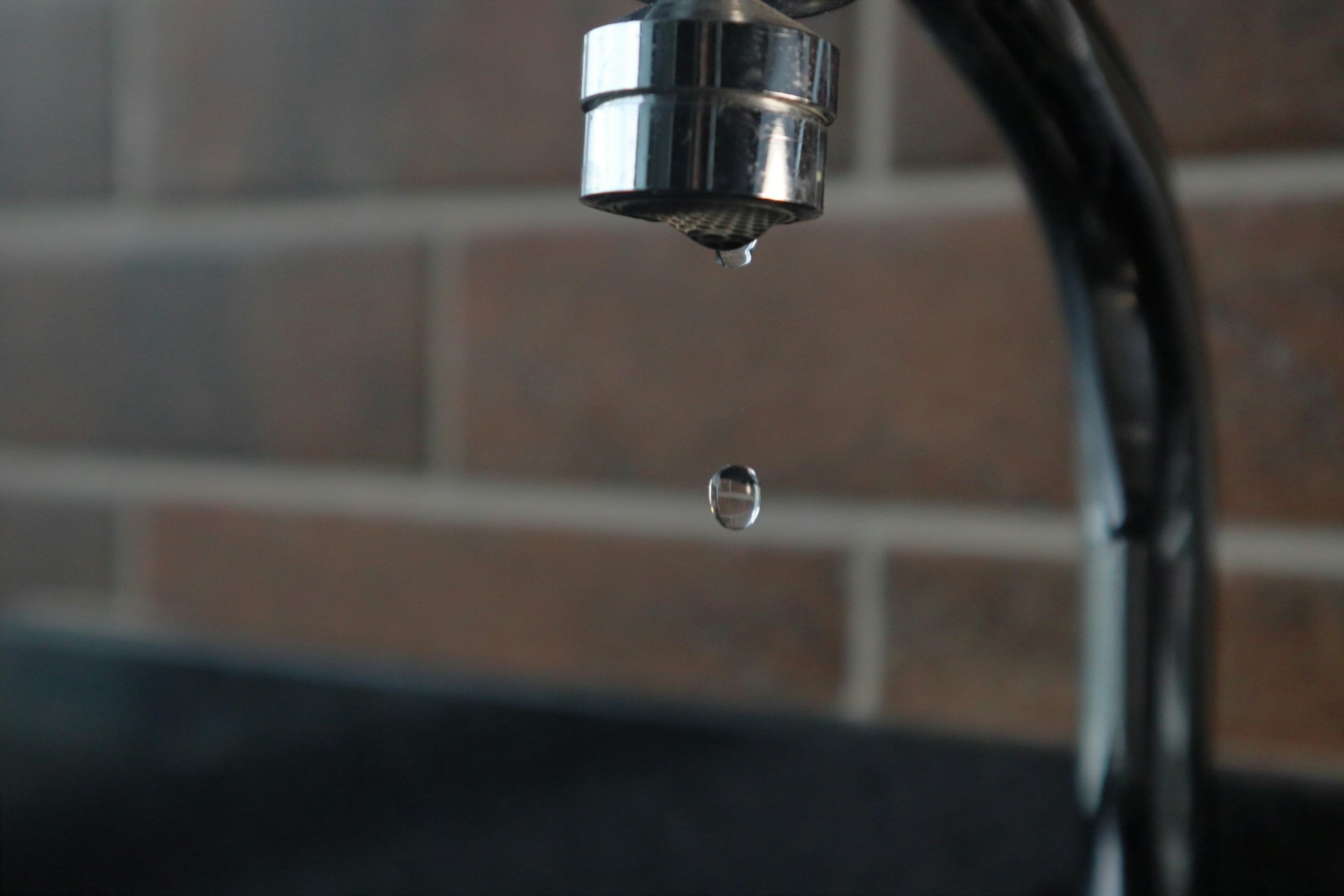
A faucet that drips once a second wastes about 3,000 gallons a year, according to the Environmental Protection Agency, which is enough water to show up on the bill. But that is the small cost. The larger one is that a drip usually means a worn cartridge or seat, and a faucet that keeps running against a worn seat wears the valve body itself, turning a cartridge replacement into a faucet replacement. A faucet repair in the first month is a small job; the same faucet a year later is often a new fixture!
2. A running toilet
A toilet that runs between flushes can waste 200 gallons a day, again per the EPA, and a bill that jumps with no change in the household is often a single flapper that no longer seals. Left alone, the fill valve runs constantly, wears out, and eventually fails in a way that either does not stop or does not fill. The flapper is one of the least expensive parts in a house, but the bill for ignoring it is not.
3. A slow drain
A drain that empties slowly is a drain that is partly blocked, and a partial blockage collects everything that passes it until it becomes a full one. In a kitchen, that is grease and food. In a bathroom, it is hair and soap. When the blockage is in the main line rather than one fixture, the first full clog sends wastewater back up through the lowest drain in the house, which is usually a shower or a floor drain, and cleaning up a sewage backup costs far more than clearing a slow line. Professional drain cleaning while the drain is merely slow keeps that from happening.
4. A small supply line leak
The most destructive item on this list is also the quietest. A pinhole leak in a copper line, a weeping joint under a sink, or a slow drip from a supply line in the crawl space puts a small amount of water in the same place every day. Wood framing absorbs it and softens. Subfloors swell. Drywall stains and crumbles. Mold takes hold in the wet cavity within days, and remediation becomes its own project on top of the plumbing repair and the rebuilt wall or floor. A leak found by a plumber with leak detection equipment is a pipe repair. A leak found by a soft spot in the floor six months later is a construction job.
5. Low water pressure
Pressure that has dropped is a symptom, and the causes behind it compound differently. A failing pressure regulator can swing the other way and let pressure climb too high, which stresses every joint, valve, and appliance hose in the house and is a common cause of burst washing machine hoses. Corrosion narrowing the inside of older pipes gets worse until the pipes leak. A hidden leak that is stealing pressure is item four on this list. A water pressure assessment sorts out which one you have, and each of the three is cheaper to address before it becomes water on the floor.
6. A water heater that rumbles or runs short
Sediment on the bottom of a tank water heater makes it recover slowly and rumble as it heats. That sediment is also insulating the bottom of the tank from the water above it, so the steel overheats every cycle and becomes brittle. The end state is a tank that leaks, and a tank that leaks cannot be repaired, only replaced. In Columbia, where many water heaters sit in attics and closets over finished space, that day usually includes a ceiling. An annual flush and an anode rod check extend a heater’s life by years. Waiting turns a scheduled water heater replacement into an emergency one with a drywall bill attached.
7. Tree roots in the sewer line
Sewer lines run under the yard, and in yards with established trees, roots find the joints and grow into them. The first sign is a clog in the main line that clears and then returns a few months later. Each time roots are cut out, they grow back thicker, and the joints they entered open wider until the pipe section cracks or collapses. A sewer line that is inspected by camera when the clog first repeats can often be cleared and treated. A line that has collapsed requires excavation across the yard and replacement of the section.
Why the timing matters in Columbia
Two things in this market make waiting more expensive than it looks. The first is the crawl space under many Columbia homes, where a leak can run for months in the dark before anyone notices, and where a January freeze can turn a weak joint into a burst pipe. The second is the holiday season, when houseguests and cooking push every marginal drain and toilet in the house past what it can handle. A repair booked in October happens on your schedule. The same repair in late November might happen whenever a plumber is free rather than when you need it most.
Fix the problem now while it’s small
2nd Wind Heating & Air Conditioning has served greater Columbia since 1985. If your home has any of the seven problems above, schedule a plumbing visit online or through the 24/7 chat on our website. The technician will show you on video what is happening and quote the repair before starting, and the number will never be smaller than it is today.