

Homeowners often call with a clear description of the problem and a reasonable request: tell me what it will cost. Our answer is that we can tell you the cost of the diagnostic visit right away, and after that visit we can tell you the cost of the repair to the dollar. What we cannot do is price a repair from a description, because the symptom you can see and the cause a technician finds are usually two different things. This post explains why that holds for heating, cooling, plumbing, and generators, and how the visit produces a quote you can rely on.
A symptom has many possible causes
Take the most common summer call in Columbia: the air conditioner runs, but the house will not cool below 78. That one symptom can come from a failed capacitor, a refrigerant leak, a dirty evaporator coil, a clogged condensate drain that tripped a float switch, a failing compressor, a duct that came apart in the attic, or a system that was undersized for the home on the day it was installed. The cheapest of those is a part that costs less than a tank of gas, and the most expensive is a new system. No one can tell which it is from the phone, which is why air conditioning repair begins with testing.
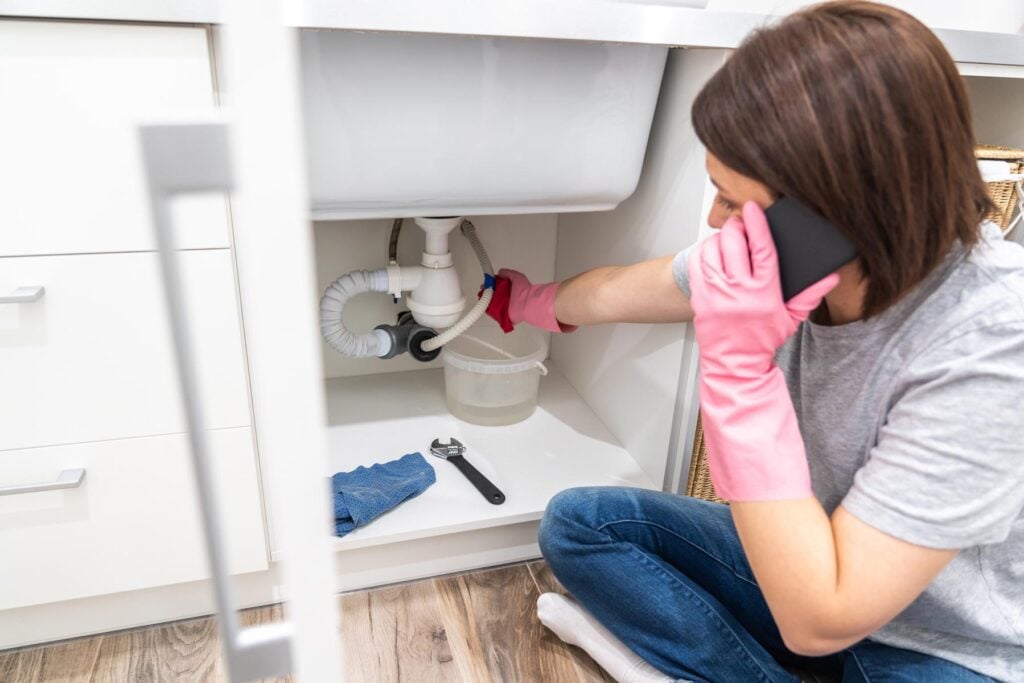
Plumbing works the same way. A water stain on a ceiling can be a supply line, a drain line, a shower pan, a toilet seal, or condensation on a duct, and each one is fixed differently. A generator that failed to start during last week’s outage may have a dead battery, stale fuel, a tripped breaker on the unit, or a controller fault, and the technician has to read the controller’s fault log and test the unit under load to know which. That is where any generator repair starts.
Why a quote from a description goes wrong
When a company prices a repair without seeing it, one of three things happens.
- The guess is right, and luck was on your side.
- The guess is low, and the technician arrives, finds the cause, and hands you a higher price while standing in your living room, which is exactly the situation the phone quote was supposed to avoid.
- Or the guess is high, padded to cover whatever the technician might find, and you pay for problems you do not have.
None of those is a quote. A quote is a price for a defined repair to a known problem, and the problem is not known until someone has tested the system.
Symptoms also tend to have a cause behind the cause. A capacitor that failed may have been killed by a motor drawing too much current, and that motor will kill the next capacitor too. A drain that clogs every few months may have a root intrusion or a broken section of pipe that no amount of cleaning will fix. A technician who replaces only the part that failed, because that is what was quoted, sends you into a cycle of repeat repairs. On a diagnostic visit, the technician looks for the underlying cause so the repair holds.
What the visit finds that a phone call cannot
A technician on site can measure, and measurements settle questions that descriptions cannot. Voltage and amperage on a motor tell whether it is failing. Refrigerant pressures and temperatures tell whether the charge is low and, with a leak detector, where it is escaping. Static pressure in the ductwork tells whether airflow is the problem, and gas pressure with a combustion analysis tells whether a furnace is burning safely. A camera in a drain line shows the blockage and the condition of the pipe around it. Water pressure at a fixture and at the main tells whether a problem is local or house-wide, and electronic leak detection locates a hidden leak without opening walls to look for it. Each of these rules causes in or out, and the quote that follows rests on what was measured rather than what was described.
Columbia’s climate adds its own reasons to look before quoting. Long, humid summers load evaporator coils and condensate drains with moisture and growth, so a cooling problem that sounds mechanical is often a drainage problem. Winter cold snaps arrive after mild days, which is when heat pump auxiliary heat strips get their first test of the season and fail without warning. Both patterns produce symptoms that point at the wrong component.
What the visit gives you
At 2nd Wind Heating & Air Conditioning, the technician ends the visit by showing you the problem on video, explaining the repair options, and giving you a written price for each before any work starts. If replacement is the better decision because of the system’s age or the cost of the repair, you get that recommendation with the numbers behind it. There is no obligation to approve the work, and the findings are yours to keep whether you proceed or not.
When a quote can come first
Pricing a new heating and cooling system, a water heater, or a standby generator does not require diagnosing a failure. It requires measuring the home, reviewing the ductwork or gas supply, and matching equipment to the load, which is an in-home consultation rather than a diagnostic visit, and it produces a firm installation price. If you are weighing repair against replacement, ask for both, and we’ll help you make an informed decision with two numbers side by side.
Schedule a diagnostic visit
2nd Wind has served greater Columbia since 1985. Schedule a diagnostic visit online, by phone, or through the 24/7 chat on our website, and the price you receive will be for the problem you have rather than the problem someone guessed at.