
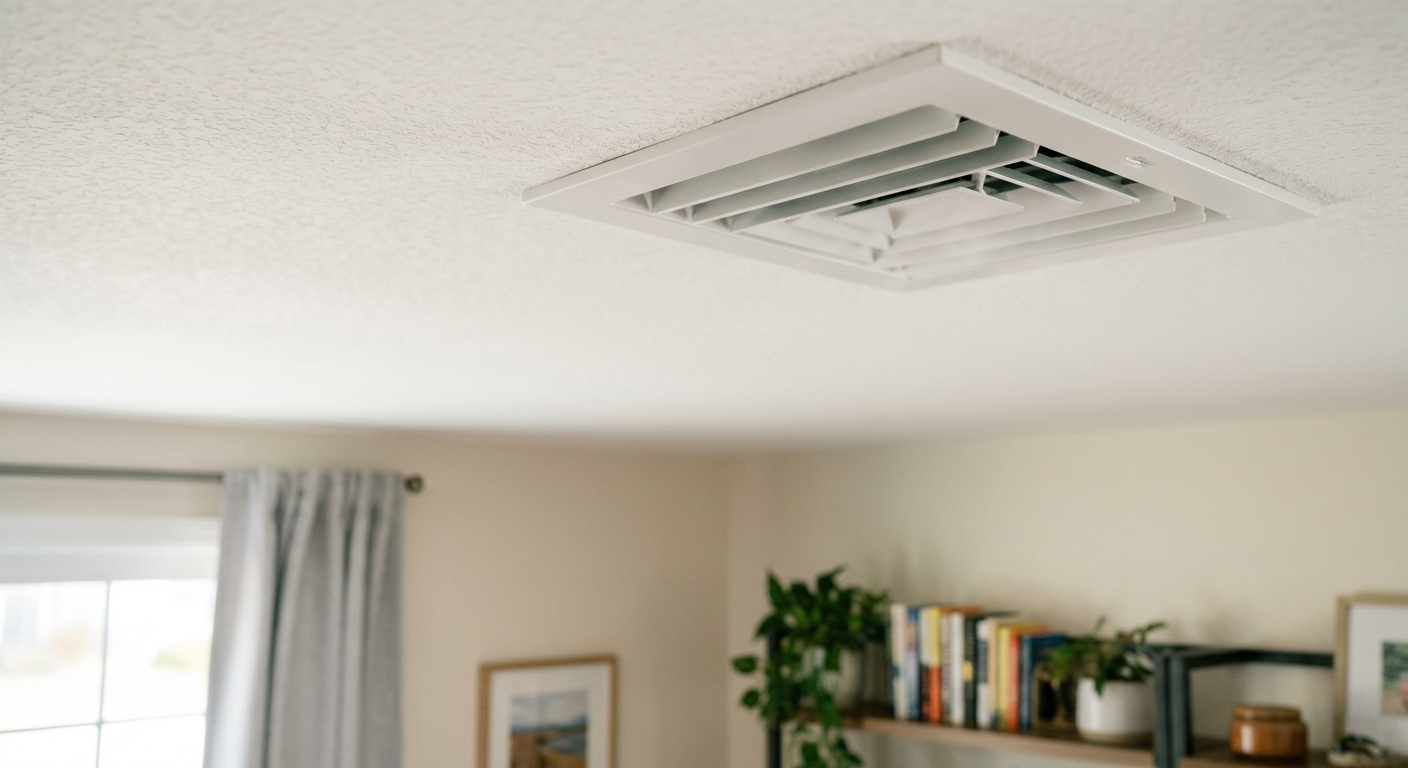
A heating and cooling system in Columbia runs close to half the year in cooling mode alone, and it rarely fails without warning. It gets less efficient, then less comfortable, then louder, and finally it quits, usually on a day in the 90s when every other system in town is being pushed just as hard. The signs below are what a system looks and sounds like in the months before that call. If you recognize more than one, the maintenance is overdue, and most of what they point to is still an inexpensive correction.
The power bill went up and nothing else changed
The clearest sign is on the bill. Compare this month with the same month last year, adjusting for any rate change from the utility. A system that costs noticeably more to run for the same weather is running longer to deliver the same cooling or heating. The usual reasons are a dirty outdoor coil that cannot shed heat, a dirty indoor coil that cannot absorb it, a low refrigerant charge, or a clogged filter. None of those announces itself. All of them show up as run time, and run time shows up as dollars.
Rooms that used to be comfortable are not
When the bedroom at the end of the hall is warmer than the rest of the house in summer and colder in winter, the cause is almost always airflow. A blower motor that has slowed, a duct joint that has separated in the attic, or a coil so dirty it restricts air will all starve the rooms farthest from the unit first. So will a filter that has collapsed into the return. Homeowners tend to compensate by lowering the thermostat, which cools the near rooms too much and raises the bill without fixing the far room. A tune-up measures airflow and static pressure and finds where it is being lost, and a duct problem becomes a separate air duct repair rather than a mystery.
New noises and new smells
New sounds from a system you have lived with for years are information. Squealing or grinding usually means a bearing in a motor, and a motor that is allowed to seize takes other parts with it. Rattling points to a loose panel or a failing blower wheel. Repeated clicking at the outdoor unit, with no start, is a contactor or capacitor on its way out. Smells work the same way. A musty odor when the air conditioning starts is biological growth on the indoor coil or in the drain pan, and in Columbia’s humidity that growth returns fast on a coil that is not cleaned. A burning dust smell for a few minutes at the first heat of the season is normal. An electrical or hot plastic smell at any time is not, and it is a reason to shut the system off and call for air conditioning repair or heating repair the same day.
Short cycling and long run times
A healthy system runs in cycles of roughly ten to twenty minutes several times an hour on a hot afternoon. One that starts and stops every few minutes is short cycling, and the causes range from a dirty filter and a frozen coil to an oversized system or a failing control. One that runs for an hour without reaching the set point is undersized for the conditions, low on refrigerant, or losing its output to a dirty coil or a leaking duct. Either pattern wears the compressor, the most expensive part in the system, and both are measurable during a maintenance visit.
The house feels damp even when it is cool
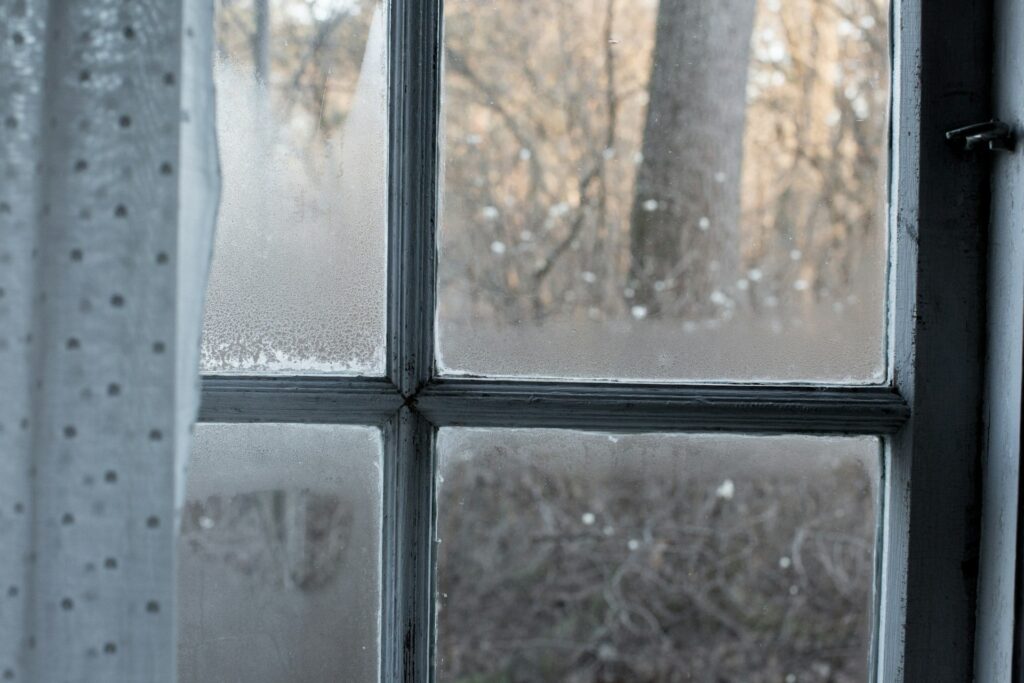
Part of what an air conditioner does is pull moisture out of the air as it passes over the cold indoor coil. A system that short cycles, or whose coil is dirty, cools the air without running long enough to dehumidify it, and the house ends up at 74 degrees and clammy. Sticky floors, condensation on windows, and a musty smell in closets in the middle of summer point to a system that is no longer dehumidifying. The fix is usually maintenance rather than a separate dehumidifier, although a dehumidifier does help in homes that stay damp even with a healthy system.
Water where it should not be
A puddle around the indoor unit, a stained ceiling below an attic air handler, or a float switch that keeps shutting the system off all trace back to the condensate drain. In Columbia, that drain runs wet for six months straight, and algae and sludge build up in it every season. Clearing and treating the drain line is a standard part of maintenance, and skipping it is the most common reason a system shuts itself down on a hot day with nothing mechanically wrong.
What a tune-up does about all of this
Every sign on this list is something a technician measures or inspects during a maintenance visit: airflow, static pressure, refrigerant charge, coil condition, capacitor and motor readings, drain condition, and the electrical connections that loosen over years of vibration. A maintenance visit finds the weakening capacitor before it strands you and cleans the coil before it costs you a summer of extra run time. The Cloud 10 Membership puts that visit on the calendar twice a year, once for cooling and once for heating, and gives members priority scheduling when the first heat wave fills the phone lines.
Schedule before the season, not during it
2nd Wind Heating & Air Conditioning has served greater Columbia since 1985, and the systems that fail in July are usually the ones that showed these signs in April. If you recognize your system in this post, schedule a maintenance visit online or through the 24/7 chat on our website. The technician will show you on video what the system looks like inside and explain which of these signs it is producing.