
Nobody just decides to neglect their heating and cooling system. It happens one skipped tune-up at a time, each one reasonable on its own. The system was working. Money was tight that month. It slipped the mind until it was August, and August is no time to schedule anything. But years later, when the homeowner is standing in a hot house making a large decision under pressure, that can be the moment where hard lessons arrive. This post collects the ones we hear most often from Columbia homeowners, in the hope that reading them is cheaper than learning them.
The bill went up so slowly that nobody noticed
The first lesson is about money that left quietly. A system with dirty coils, a low refrigerant charge, and a clogged filter still cools the house. It just runs longer to do it, and the difference is spread across twelve monthly bills instead of arriving as one repair invoice. Homeowners who finally have a neglected system cleaned and charged are often surprised to see the summer bill drop noticeably the next month, and then to do the arithmetic backward. Over several years of skipped maintenance, the extra run time can add up to more than the tune-ups would have cost, and that is before counting the wear on the equipment.
The warranty did not cover it
The second lesson tends to arrive in a letter. Many equipment manufacturers require proof of regular professional maintenance to honor a parts warranty, especially on the compressor, which is the part most worth covering. A homeowner whose compressor fails in year six of a ten-year warranty expects the part to be covered, and then learns that without service records, the claim is denied and the compressor is paid for out of pocket. A folder of tune-up receipts is the least expensive insurance in the house.
The system died years early
Air conditioners and heat pumps in Columbia work harder than the national average because the cooling season runs roughly half the year. A well-maintained system here still reaches 12 to 15 years. A neglected one often fails at 9 to 11, and the difference is not bad luck. It is the compressor running hot on a dirty coil, starting hard on a weak capacitor, and cycling short on a clogged filter for a decade. The homeowner who skipped maintenance did not save the cost of the tune-ups. They traded them for a replacement several years sooner than it needed to happen.
The small repair became a large one
Almost every major HVAC repair was a minor one first. A weak capacitor becomes a burned-out compressor. A slow refrigerant leak becomes a frozen coil and then a compressor. A clogged condensate drain becomes a stained ceiling. Tune-ups exist to catch these problems at the first stage, when the part is inexpensive and the visit is short. Homeowners who learned this lesson describe the same moment: the technician shows them the failed part on video and mentions that it would have shown up on a tune-up two years earlier as a small reading that was drifting out of range. Our maintenance visits are built around catching exactly those readings.

The house was never as comfortable as it could have been
Some lessons are about comfort rather than cost. A system that is not dehumidifying properly leaves a Columbia house feeling damp at 74 degrees, so the homeowner turns the thermostat down to 71 and pays for it. A duct leak in the attic leaves one bedroom hot all summer. A dirty coil means the far end of the house never quite catches up. Homeowners tend to accept these as the way the house is. After a thorough maintenance visit, many discover that the house was capable of being comfortable all along, and the system had simply been too dirty or too low on charge to do it.
The replacement was decided in a heat wave
The last lesson is the one that costs the most. A system that fails in the middle of a July heat wave leaves no time to compare options, wait for a convenient installation date, or think about whether a heat pump, a dual fuel system, or a different size makes sense for the house. The homeowner takes what can be installed soonest, and every company in town is booked. A system that received regular maintenance usually gives warning, through readings that trend the wrong way over a couple of visits, and the technician can tell the homeowner that replacement is coming in a year or two. That homeowner shops in October, compares quotes, and schedules the air conditioning or heating replacement for a mild week. The two homeowners end up with new systems. Only one of them chose it.
What regular maintenance looks like
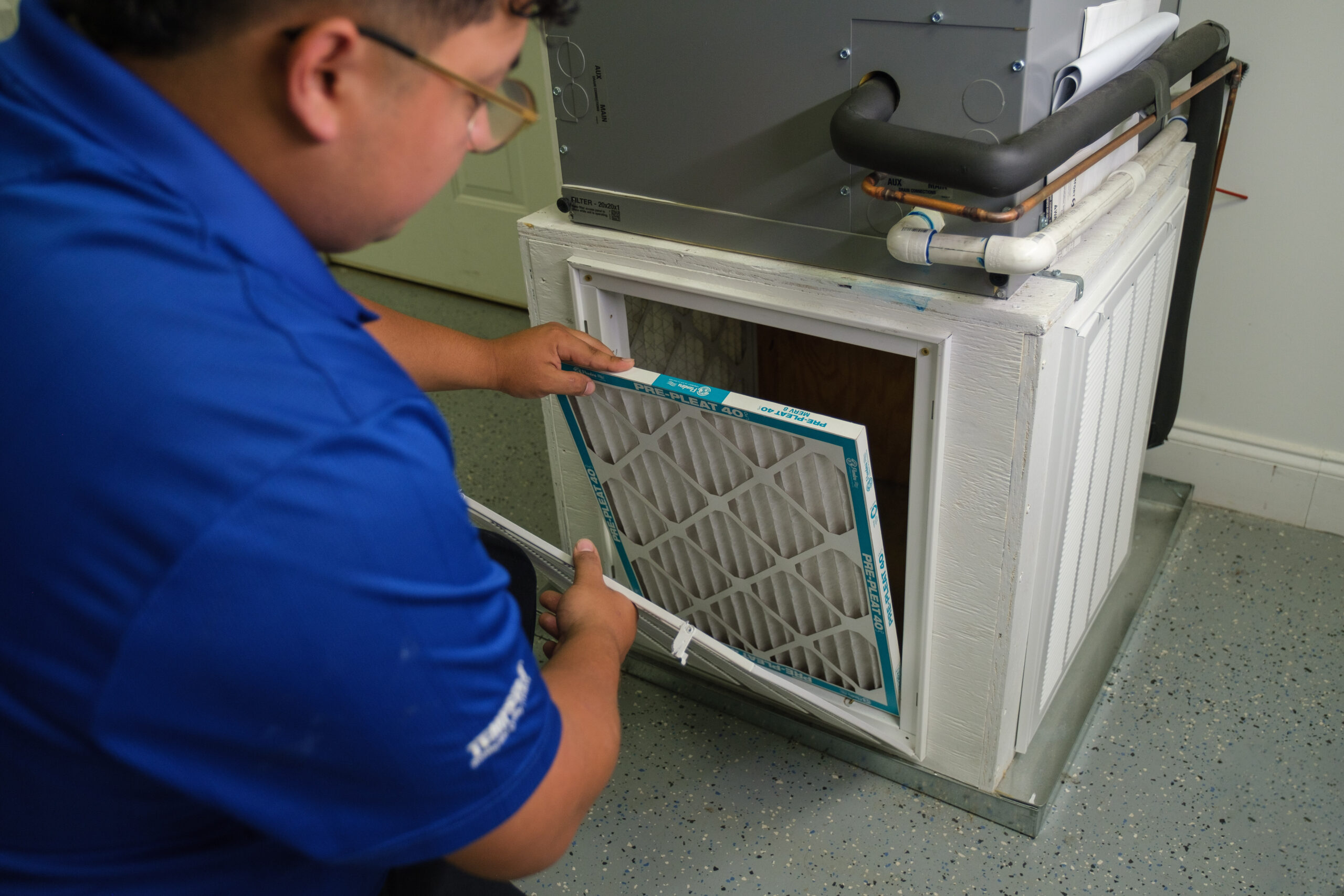
The takeaway for all of these lessons is straightforward: a cooling tune-up in spring and a heating tune-up in fall, with the filter changed every one to three months in between. The technician cleans the coils, checks the refrigerant charge, tests the capacitors and motors under load, clears the condensate drain, inspects the heat exchanger and ignition on gas equipment, and tightens connections, and then leaves a written report with any readings that are drifting. The Cloud 10 Membership schedules both visits automatically each year, includes coil cleaning at every service, and moves members to the front of the line when the first heat wave hits, which is when the lessons above tend to get learned by everyone else.
Start before the next season
2nd Wind Heating & Air Conditioning has served greater Columbia since 1985, and we have watched every lesson in this post play out many times. If your system has gone a year or more without professional service, schedule a maintenance visit online or through the 24/7 chat on our website. The technician will show you the condition of the equipment on video and tell you plainly what needs to be addressed to avoid any painful lessons.