

A mortgage payment is the same every month, which makes it easy to plan around. The cost of keeping the house running is not, and that is what catches new homeowners. Maintenance arrives as a tune-up here, a filter there, a water heater one year and nothing the next, and without a plan the pattern feels random. It is not random. A Columbia home has a predictable set of maintenance costs and a predictable set of replacements you can start accounting for now, and this post explains how to turn both into a budget you can carry from year to year.
Two budgets, not one
The most useful thing to understand about home maintenance money is that it comes in two kinds. The first is the routine annual cost of keeping systems healthy: tune-ups, filters, inspections, and the small repairs that a tune-up finds. This cost is steady and predictable, and it is the part of the budget you control. The second is the replacement reserve, the money set aside a little at a time for the day a system reaches the end of its life. This cost is large and infrequent, but it is not unpredictable, because every system in your house has a known lifespan and a knowable age. Budgeting for maintenance means funding both.
The routine annual budget
Start by listing what a Columbia home needs every year. The heating and cooling system needs a spring cooling tune-up and a fall heating tune-up, because it runs hard in both directions and because most manufacturer warranties require documented service. It needs a filter every one to three months, more often in a house with pets. The plumbing benefits from an annual inspection that includes flushing the water heater, checking pressure, and looking at the crawl space. A standby generator needs annual service with an oil change and a load test. The dryer vent should be cleaned yearly. Add up what those cost at scheduled rates and you have the routine budget. A maintenance plan converts most of it into one fixed annual figure; the Cloud 10 Membership, for example, includes both heating and cooling visits, coil cleaning at each, a 15 percent discount on repairs, and a reduced $75 diagnostic fee, which makes the routine budget easier to predict and lowers the cost of the repairs the visits find.
The replacement reserve
The replacement reserve is where the age notebook from your first winter in the house earns its keep. Write down each major system, its typical lifespan, and its current age. Air conditioners and heat pumps in Columbia last about 12 to 15 years with maintenance, and less without it, because of the long cooling season. Gas furnaces last 15 to 20. Tank water heaters last 8 to 12 and tankless units about 20. Standby generators last 20 to 30 years with service. For each system, divide its replacement cost by the years it has left, and that is the annual amount to set aside for it. A water heater with three years left needs a third of its replacement cost saved each year. A heat pump with ten years left needs a tenth. Add the figures together and you have the reserve. It will feel large the first time, and it is exactly the amount you would otherwise borrow all at once on the day the system fails.
How to estimate replacement costs
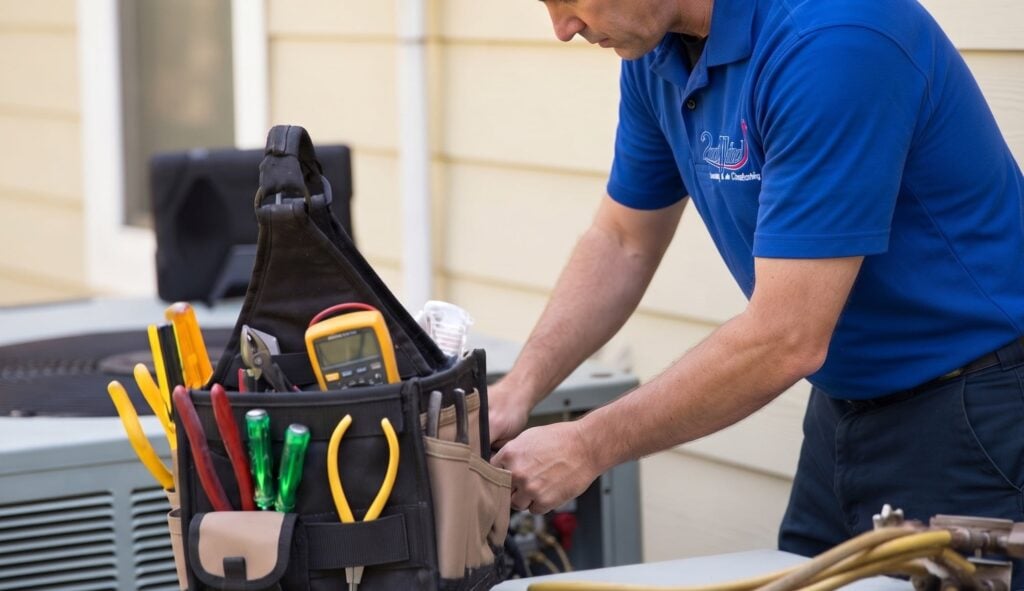
Replacement costs vary by home, system size, and efficiency level, so the reliable way to get a number is to ask. During a maintenance visit, a technician can tell you what replacing your specific system would cost today, and that figure, updated every few years, is the basis for the reserve. Guessing from a national average tends to undershoot, because the number depends on the size of your house and the condition of your ductwork, and because a Columbia home usually needs a higher efficiency system than a northern one to keep the bills manageable across a six-month season.
Balancing the two budgets
The two budgets pull on each other in a useful way. Money spent on the routine budget stretches the timeline on the replacement budget. A heat pump that receives two tune-ups a year reaches 15 instead of 10, which spreads its replacement cost over five more years and lowers the annual reserve. The tune-ups also catch the small repairs that would otherwise become large ones, which keeps the emergency draws down. Skipping the routine budget to save money does the opposite: the systems age faster, the reserve has to grow faster, and the failures arrive as emergencies at after-hours rates. If you have to prioritize, fund the routine budget first, because it is the smaller number and it protects the larger one.
Making it automatic
A budget that depends on remembering does not survive the second year. Set up a separate account for the replacement reserve and transfer the monthly figure automatically. Put the routine items on a calendar or, better, on a maintenance plan that schedules them for you. And review the age notebook once a year, because a system that a technician flags as declining moves its replacement date closer, and the reserve should move with it. For replacements that arrive before the reserve is ready, financing options exist, and it is far better to use them for the difference than for the whole amount.
Get the numbers for your house
2nd Wind Heating & Air Conditioning has served greater Columbia since 1985. If you would like the specific figures that make this budget work, the age and condition of your heating and cooling system and what replacing it would cost, schedule a maintenance visit online or through the 24/7 chat on our website. The technician will show you the system’s condition on video and give you the replacement figure to plan against, along with the price of the visits that push that date further out.